
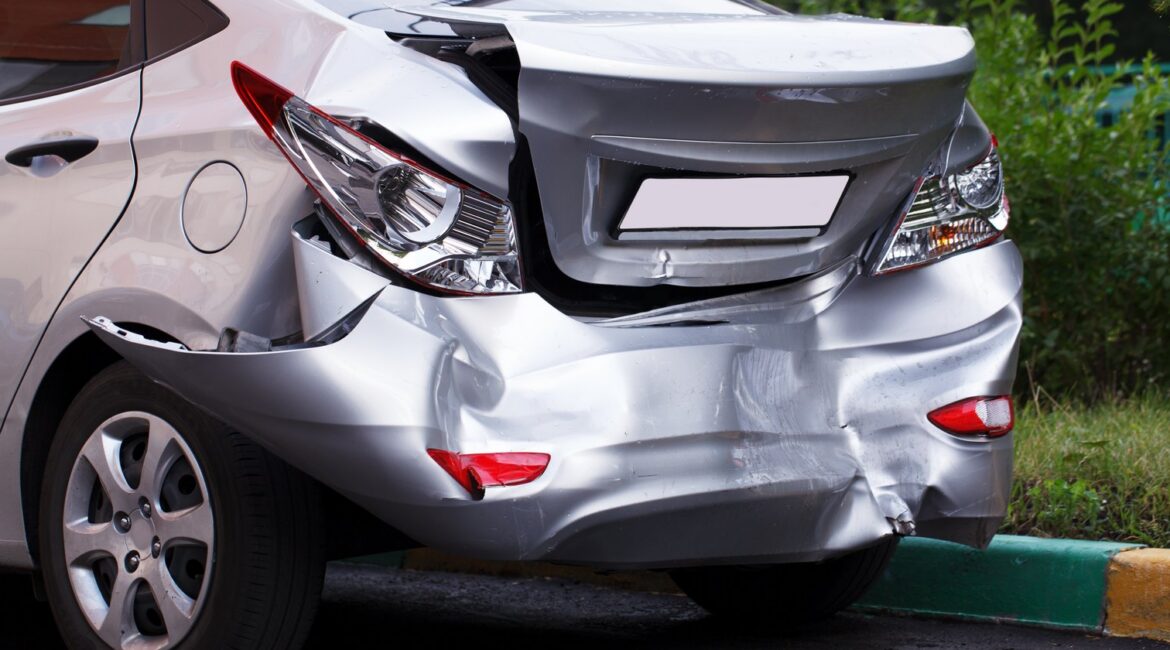
A rear-end crash happens when one vehicle hits the back of another. It is one of the most common kinds of car accident, and it is also one of the most misunderstood, because many people assume they are not hurt if the damage looks small. This guide explains who is usually at fault in Texas, when the driver in front can share the blame, what injuries to watch for, how to protect your claim, and what to do next. It is written by The Miller Law Firm, home of The Texas Bulldog, a Houston personal injury firm.
How a rear-end crash happens
Most rear-end crashes start the same way. Traffic slows or stops, and the driver in back does not stop in time. The cause is usually a phone, a distraction, tailgating or a late reaction, and it takes only a second or two of looking away. An IIHS study of police-reported crashes in 22 states found that vehicles with automatic emergency braking had about 50% fewer rear-end crashes than vehicles without it. Many newer vehicles also store braking and speed data, which can matter as evidence in your case.
How far a car needs to stop
That is why the law is strict about following distance. At 60 mph, a car needs about the length of a football field to stop, and a driver who follows too closely has no room to be surprised.
Who is at fault in a rear-end accident in Texas
Texas Transportation Code 545.062 says a driver who is following another vehicle must keep an assured clear distance, so that considering the speed, traffic and road conditions, the driver can stop safely without hitting the vehicle ahead. A driver who rear-ends someone has usually broken that rule. You can read it in chapter 545 of the Transportation Code on the Texas Legislature’s website. Still, fault depends on what actually happened, and these are the situations we see most often.
| Situation | Who is usually at fault |
|---|---|
| The driver in back follows too closely or is distracted | The driver in back |
| Traffic slows or stops for a light, a crash or congestion | The driver in back, who must be ready to stop |
| The driver in front stops short for no reason, or with brake lights that do not work | Often shared, and the driver in front may carry part of the blame |
| A driver cuts into your lane and brakes hard | The driver who cut in |
| The driver in front backs up into the car behind (Transportation Code 545.415) | The driver who was backing |
| A chain-reaction crash with three or more vehicles | Usually the driver who started the chain, with each driver’s share sorted out |
Fault can be shared
Texas follows a 51% rule. Your compensation is reduced by your share of the blame, and you cannot recover anything if you are found more than 50% at fault. In a rear-end case, the other side’s argument often sounds like “you stopped too fast” or “your brake lights were not working.” The chart shows how much a few percentage points can change a claim. Our comparative fault guide goes into more detail.
How your share of the blame changes what you can recover
Chain-reaction crashes
When traffic is heavy, one crash can turn into three. The car at the back hits the middle car, and the middle car is pushed into the car in front. If that happened to you, the driver who started the chain is usually responsible for the damage to the cars pushed forward, but insurance companies often point fingers at each other. You may need to deal with more than one policy. Our multi-vehicle accident page explains how these cases work.
How a chain-reaction crash happens
Evidence that matters in a rear-end case
Rear-end cases look simple, but the other side will look for any reason to share the blame with you. Start collecting evidence right away.
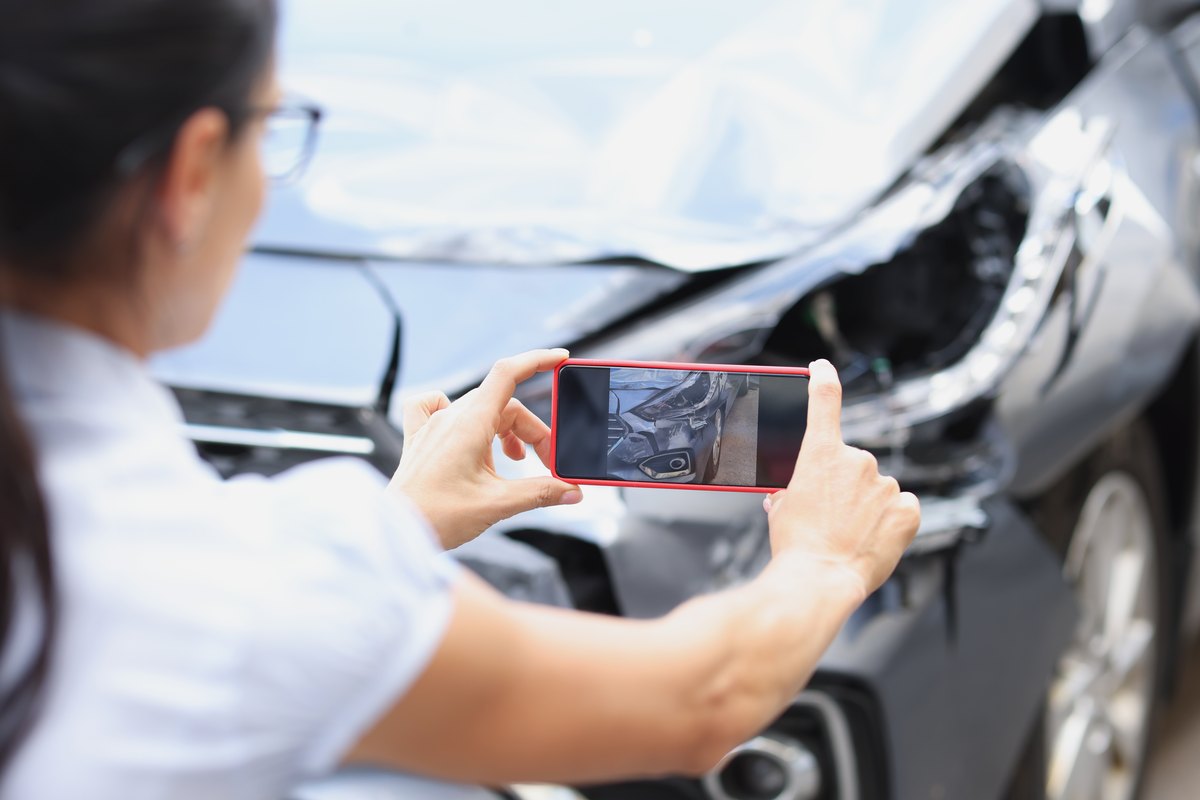
- Photos and video: Take photos of both vehicles from every side, the damage to your bumper and trunk, your brake lights, the road, and any skid marks.
- Dash camera footage: If you have one, save it. Footage from nearby businesses and homes may also exist, and many systems record over old video within days.
- Witnesses: Get names and phone numbers from anyone who saw the crash and was not in either vehicle.
- The crash report: The officer’s report records the drivers, the insurance and the officer’s opinion about what happened. Read our guide on what to do when your police report is wrong if you find a mistake.
- Phone records: If the driver who hit you was texting or on a call, the records can show it. A lawyer can ask that they be preserved.
- Vehicle data: Most modern vehicles store speed and braking data. A lawyer can ask that it be preserved before the vehicle is repaired or sold.
- Medical records: Record every symptom and every visit, starting with the day of the crash.
Common injuries after a rear-end crash
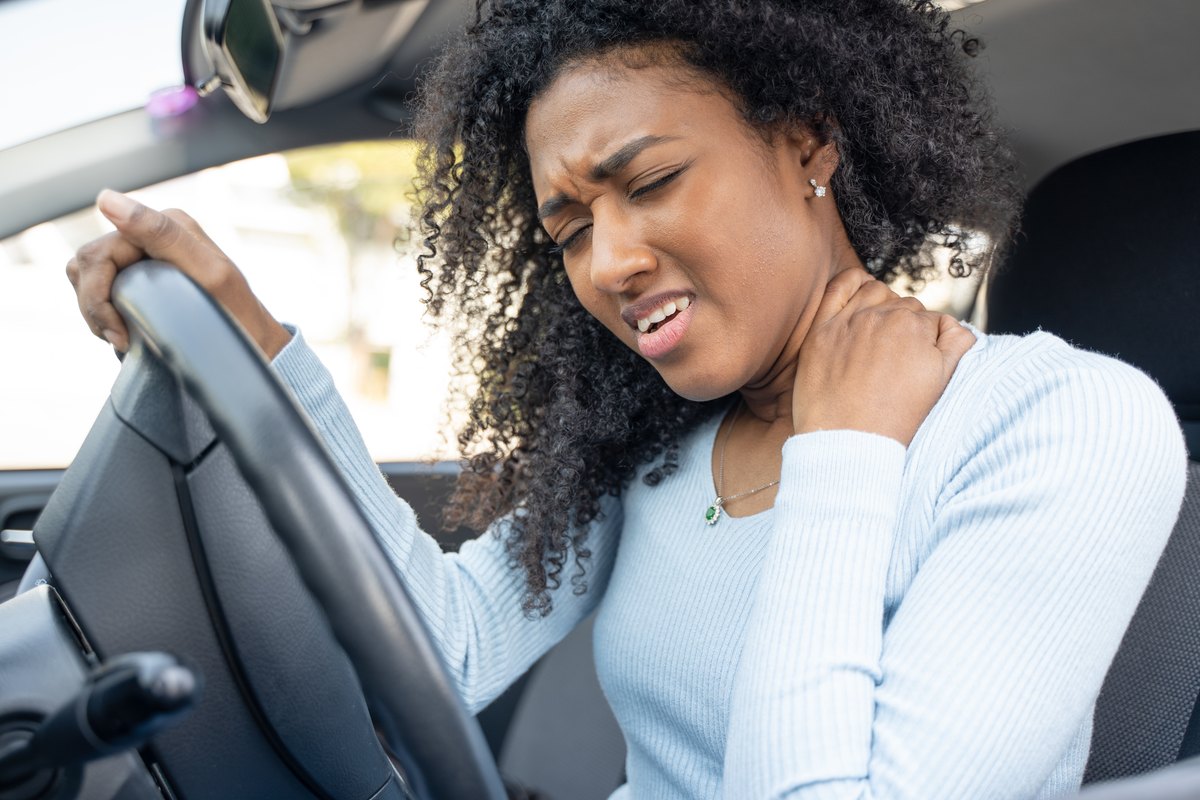
In a rear-end crash, your body is pushed forward and then snapped back, so the neck and back take the worst of it. Whiplash is the best-known injury, and it can get worse over several days, as explained in our post on whether whiplash can get worse days later. Back injuries such as herniated discs are common, and so are shoulder injuries, headaches and concussions. Seat belts and headrests help, but they do not prevent every injury. Some symptoms do not show up for days, so see a doctor right away even if you feel fine. Insurance companies often use a gap in treatment, or a small dent in the bumper, to argue you were not really hurt.
What to do after a rear-end accident
Call 911 so medical help and the police come, and get medical care even if you think you are okay. If it is safe, take photos before the cars are moved. Exchange names, phone numbers and insurance information with the other driver, but do not discuss fault. Get witness information, and keep a record of your symptoms. Do not post about the crash online. Our full checklist for what to do after a car accident covers each step. If the damage looked small, read our guide to a minor car accident in Texas.
The other driver’s insurance company will probably call you quickly. You do not have to give a recorded statement, and doing so before you talk to a lawyer can hurt your claim. Our recorded statement guide explains why. If the other driver has no insurance or not enough, your own policy may help: see our uninsured and underinsured motorist guide.
What a rear-end accident claim can include
A claim can cover your medical bills, the income you lose while you recover, the cost of repairing or replacing your vehicle, and the pain and disruption the crash caused. If the driver who hit you was working, a company may also share responsibility. A rear-end crash with a commercial truck is very different from one between two cars, as explained in our truck accident practice area, and a crash with a ride-share driver has its own insurance rules, covered in our Uber and Lyft accident page. In Texas you generally have two years from the date of the crash to file a lawsuit, as explained in our statute of limitations guide.

Frequently asked questions about rear-end accidents
Who is at fault in a rear-end accident in Texas?
Usually the driver in back. Texas law says a driver who is following another vehicle must keep enough distance to stop safely without hitting it (Transportation Code 545.062). A driver who hits the car ahead has usually broken that rule. Fault can still be shared, so the details matter. See our comparative fault guide.
Is the rear driver always at fault?
No. The driver in back is the most likely to be blamed, but not the only one. The driver in front can share fault if the brake lights did not work, if they backed up into the car behind them, or if they cut across the lane and slammed on the brakes. Texas lowers your recovery by your share of the blame, and bars it above 50%.
What if I stopped suddenly and got hit?
Stopping for traffic, a light or a hazard is normal, and the driver behind has to be ready for it. If you stopped for no reason, or your brake lights were out, the other driver may argue you share the blame. Photos of the scene, witness names and any dash camera video help show what really happened.
What if I was pushed into the car in front of me?
That is a chain-reaction crash. The driver who started the chain, usually the one at the back, is generally responsible for the cars that were pushed forward. Each driver’s share still has to be sorted out, and there may be several insurance companies. See our multi-vehicle accident page.
Can I be hurt in a low-speed rear-end crash?
Yes. Your neck and back can be injured even when the cars look fine, and symptoms often show up a day or more later. Insurance companies like to argue that small damage means a small injury. See a doctor right away and keep every record. Read our guide to whiplash after a car accident.
How much is a rear-end accident settlement worth?
It depends on your injuries, your medical bills, the work you miss, who was at fault and the insurance coverage available. Our settlement calculator shows the factors, but no calculator replaces a review of your actual case.
How long do I have to file a lawsuit after a rear-end crash in Texas?
Two years from the date of the crash in most cases. Waiting makes evidence harder to find, so talk to a lawyer early. See our statute of limitations guide.
Do I need a lawyer after a rear-end accident?
If you were hurt, or if the other driver or insurer is blaming you, it is wise to talk to one. The first consultation is free, you pay no attorney’s fees up front, and we are paid only if we recover money for you. Our fee guide explains how that works.
Help after a rear-end crash in the Houston area
If you were hurt in a rear-end crash anywhere in the Houston area, see how we help injured drivers on our car accident practice area and our Houston car accident lawyer page. If the other car hit you from the side instead, read our T-bone accident guide. We also help drivers in Pearland, Conroe, Sugar Land and Katy.