
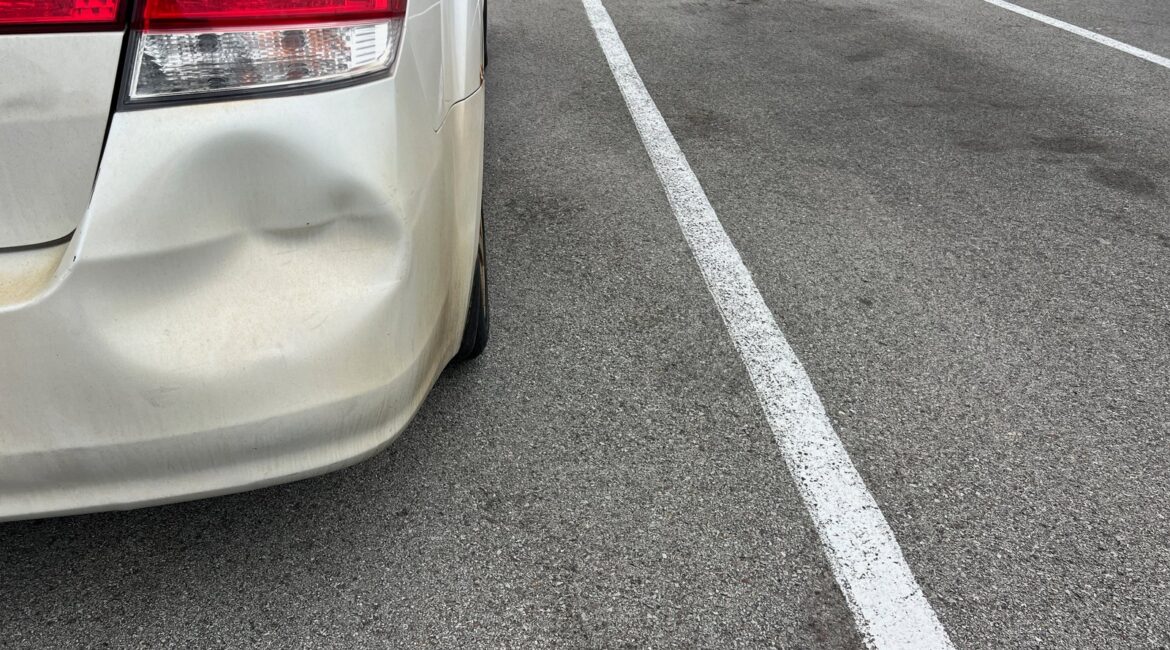
A minor car accident is the kind where the cars are still drivable, nobody is bleeding and everyone says they are fine. It is also the kind where people make the mistakes that cost them money later: they skip the police, take cash on the spot, or tell an adjuster they are not hurt. This guide explains what Texas law actually requires after a minor crash, what to do in the first hour, what to tell your insurance company, and when it makes sense to talk to a lawyer. It is written by The Miller Law Firm, home of The Texas Bulldog, a Houston personal injury firm.
- What counts as a minor car accident
- What to do right after a minor car accident
- Do you have to call the police?
- What to do if there is no police report
- The information you must exchange
- What to tell your insurance company
- Hidden injuries and hidden damage
- Texas crash numbers
- Do you need a lawyer?
- What our clients say
- How long you have
- Frequently asked questions
- Our Houston office and service area
- Sources
What counts as a minor car accident
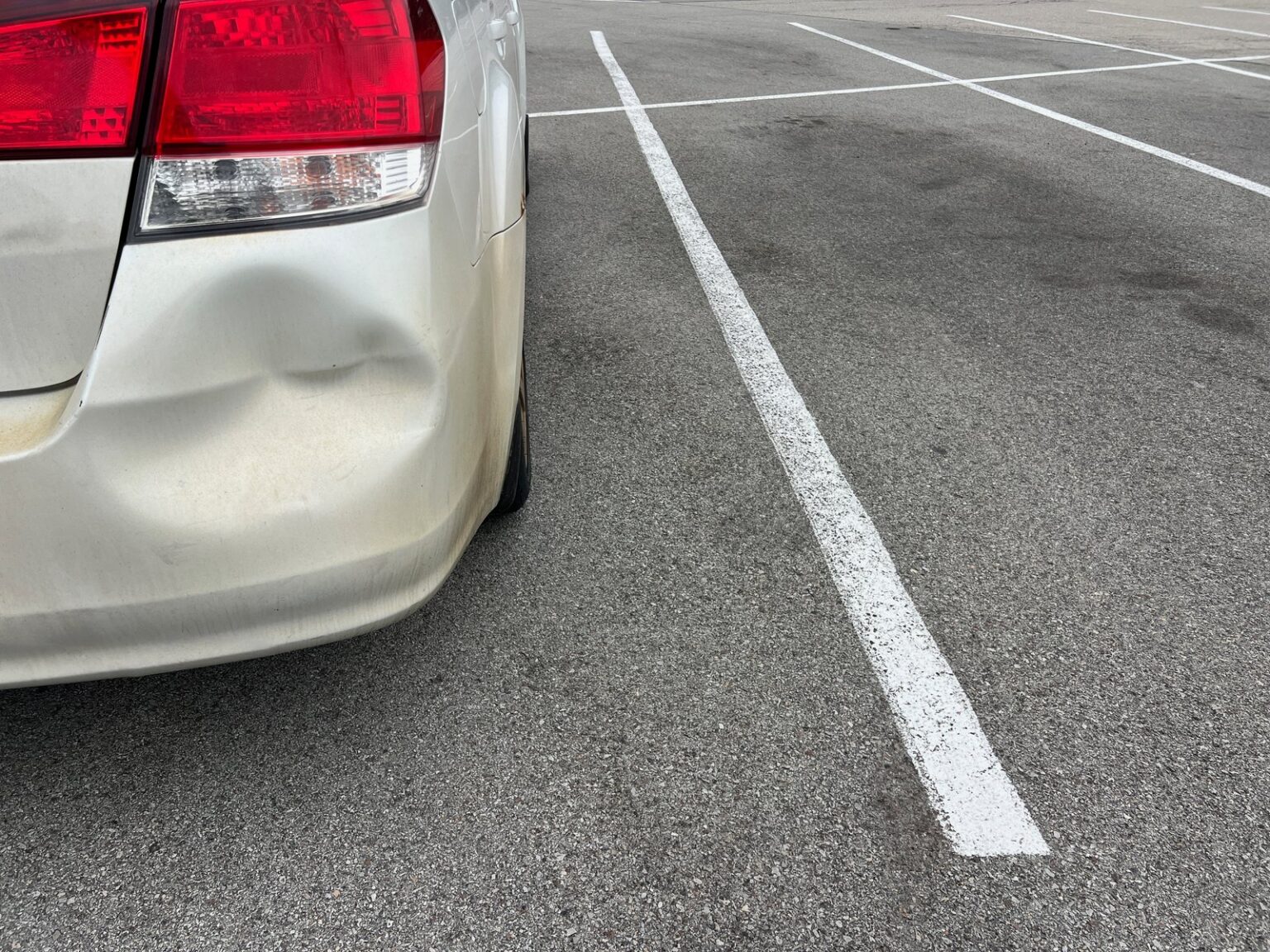
There is no legal definition. People use the words “minor car accident” for a low-speed bump, a scraped bumper, a parking lot tap or a fender bender where the cars can still be driven. The problem is that “minor” describes how the crash looks in the first few minutes, not how it turns out. Bumper covers hide cracked supports and sensors, and the human body can be hurt in a low-speed crash with very little visible damage. Treat every crash as if it might be more serious than it looks, and you will rarely regret it.
What to do right after a minor car accident
- Stop, turn on your hazard lights and check on everyone. If anyone is hurt, call 911.
- Move the cars if they can be driven. Get out of traffic. On a Houston-area freeway, Texas law requires it.
- Call the police if the law requires it, or if the other driver has no insurance, blames you or will not share information.
- Take photos of both cars, the license plates, the road and any visible damage.
- Exchange information: name, address, vehicle registration number, insurance company and, if asked, your driver’s license.
- Keep the conversation short. Do not argue about fault, and do not say you are fine if you are not sure.
- Call your insurance company the same day and give the basic facts.
- See a doctor within a few days if you feel any pain, headache, dizziness or stiffness.
- Do not take cash, sign a release or give a recorded statement until you know the full cost of the damage and any injury.
- Talk to a lawyer if you are hurt, if fault is disputed or if the other driver is uninsured.
Do you have to call the police after a minor accident in Texas?
Not always. Under Texas Transportation Code 550.026, the driver of a vehicle involved in a collision must immediately notify the police if the collision caused injury or death, or if a vehicle was damaged so that it cannot be driven normally and safely. You can read the rule in chapter 550 of the Transportation Code. If nobody is hurt and every vehicle can be driven, the law does not require you to call.
Do you have to call the police?
| Situation | What to do |
|---|---|
| Anyone says they are hurt, even a little | Call 911. Texas law requires a report, and medical care comes first. |
| A vehicle cannot be driven normally and safely | Call the police. Texas law requires a report. |
| You are on a Houston-area freeway and every car can be driven | Move the cars as soon as possible to a frontage road, a nearby cross street or another safe spot, then exchange information. Texas law requires this on freeways in metropolitan areas (Transportation Code 550.022). |
| The other driver has no insurance, no license or will not give information | Call the police, even if the damage is small. |
| The other driver blames you, is angry or asks you to take cash and skip the police | Call the police. A report protects you from a changed story. |
| The other vehicle belongs to a company, a delivery service or a ride-share driver | Call the police. More insurance companies may be involved. |
| Nobody is hurt, the cars can be driven and the other driver is calm and insured | A report is not required. Take photos and exchange information, and consider calling anyway. |
What to do if there is no police report
When an officer investigates a crash with an injury or at least $1,000 in apparent damage, Texas law requires the officer to write a report (Transportation Code 550.062). If the police do not come, or you decide not to call, there may be no official record at all. That means your own notes and photos are the record. Make them good.
- Photos from every side: Both vehicles, the damage up close, the license plates, the road, the traffic signs and the weather, before anything is moved if it is safe.
- The other driver’s details: A photo of their driver’s license, insurance card and license plate, plus their phone number.
- Witnesses: Names and phone numbers of anyone who saw it.
- Your own notes: Write down the time, the place and what happened while it is fresh. Send the notes to yourself in an email or text so they carry a date.
- Cameras: Nearby businesses and homes may have video, and many systems record over old footage within days.
If an officer did write a report, you can usually get a copy a few days later. See our guides for getting your crash report in Sugar Land, Pasadena, Baytown and Conroe.
The information you must exchange
This part is the law, even in the smallest crash. Under Transportation Code 550.023, you must give the other driver your name and address, the registration number of the vehicle you were driving and the name of your liability insurance company, and you must show your driver’s license if asked. Expect the same from them. In a crash with an injury, you must also give reasonable help, such as calling for an ambulance. Do not argue about who was at fault at the scene, and do not apologize in a way that sounds like an admission. A simple “are you okay?” is fine.
What to tell your insurance company
Call your own insurance company soon, usually the same day. Most policies require prompt notice of an accident, and reporting a crash is not the same as admitting fault. Give the basic facts: when, where, who was involved and what damage you saw. If you are not sure about something, say so instead of guessing. If you are hurt or think you might be, say that too.
The other driver’s insurance company will probably call you as well. You are not required to give a recorded statement, and doing it before you know the full extent of your injuries can hurt your claim. Our recorded statement guide explains why. Be careful about quick cash offers and releases you are asked to sign. Once you accept, you generally cannot reopen the claim if pain shows up next week, as explained in our guide to the first settlement offer.
If the other driver has no insurance, call the police and tell your own insurer. Texas requires drivers to carry liability insurance, but some drive without it, and your own uninsured motorist coverage may help. See our uninsured and underinsured motorist guide and our post about driving without insurance in Texas.
Hidden injuries and hidden damage
The two most common surprises after a minor crash are an injury that shows up late and damage that was under the bumper. Neck and back injuries such as whiplash often get worse over the next day or two, as explained in our post on whether whiplash can get worse days later. Pain in the back can come from a herniated disc. See a doctor within a few days if you feel any pain, headache, dizziness or numbness, and tell the doctor about the crash. Insurance companies often point to a gap in treatment or to a small dent to argue that you were not really hurt.
Have a body shop look under the bumper cover before you accept a repair estimate. A vehicle that has been in an accident can also lose value even after good repairs. Read our guide to diminished value claims.
Texas crash numbers
Crashes are routine on Texas roads, and many of them are the minor kind. According to the Texas Department of Transportation’s 2025 crash facts, a reportable crash happened in Texas every 59 seconds in 2025, and 244,534 people were injured in motor vehicle traffic crashes that year. That is why insurance companies handle small claims all day long, and why it pays to document yours.
A typical day on Texas roads in 2025
Do you need a lawyer for a minor car accident?
Sometimes yes and sometimes no. We would rather tell you that than take a case that does not need one. This table shows how we think about it.
| You can probably handle it yourself if | Talk to a lawyer if |
|---|---|
| Nobody was hurt, and you feel completely fine days later | You have any pain, went to a doctor or an emergency room, or missed work |
| The damage is small and the other driver’s insurer is paying for repairs without a fight | The insurer denies the claim, delays, or offers far too little |
| Fault is clear and the other driver admits it | Fault is disputed, or the other driver is blaming you |
| The other driver is insured and cooperative | The other driver has no insurance, left the scene or gave false information |
| Two ordinary passenger cars were involved | A commercial truck, a delivery vehicle, a ride-share driver or a government vehicle was involved |
If any item in the right column fits your situation, a free consultation is worth your time. You pay no attorney’s fees up front, and we are paid only if we recover money for you. Our guide on when to hire a car accident attorney goes deeper, and our fee guide explains how we are paid.
What our clients say
“All my medical bills were paid and I still walked away with money. Erica and Julia were awesome!”
— O’Neal Thompson“Very happy with their work. I would highly recommend this law firm. They made the process easy and stress free.”
— Ivan Salazar“This is my second time to use the Miller Law Firm. I hope I don’t need a third, but if I do, I’ll be back — get paid, go to Adam Miller.”
— Michelle T.The firm holds a 4.9-star rating on Google. Read more client reviews.
How long you have
In most cases Texas gives you two years from the date of the accident to file a lawsuit for injuries or for damage to your vehicle (Civil Practice and Remedies Code 16.003). Your insurance policy can set much shorter deadlines for reporting a claim, so do not wait. Our statute of limitations guide explains the exceptions.

Frequently asked questions about minor car accidents
Do I have to call the police after a minor car accident in Texas?
Texas law requires you to report a collision right away if someone is hurt or killed, or if a vehicle cannot be driven normally and safely afterward (Transportation Code 550.026). If nobody is hurt and every car can be driven, the law does not require a police report. Many people call anyway, because an officer’s report is the simplest record of what happened.
Can I settle a minor accident without the police or insurance?
You can, but it is risky. Damage under a bumper cover often costs more than it looks, and neck or back pain can start a day or two later. If you take cash on the spot, you may have no way to get more money later, and the other driver can change their story. Read our guide on early settlement offers before you agree to anything.
Do I have to tell my insurance company about a minor accident?
Check your policy. Most policies require prompt notice of any accident, even one that looks small, and telling your insurer is not an admission that you were at fault. Stick to simple facts. You do not have to give the other driver’s insurer a recorded statement; see our recorded statement guide.
Should I get a lawyer for a minor car accident?
Not always. If nobody was hurt, the damage is small and the other driver’s insurance is paying promptly, you may not need one. Talk to a lawyer if you have any pain, if fault is disputed, if the other driver has no insurance or left the scene, or if an insurer offers too little. The first consultation is free, and we are paid only if we recover money for you. See our fee guide.
What if I feel fine after a minor accident?
Pain often shows up later, sometimes a day or more after the crash. See a doctor within a few days if you notice neck, back or shoulder pain, headaches or dizziness, and tell the doctor about the accident. Gaps in treatment give insurance companies an argument. Read about whiplash that gets worse days later.
What if the other driver has no insurance?
Your own policy may still help. Uninsured and underinsured motorist coverage can pay for your injuries when the other driver has little or no coverage. Get the driver’s name, address, license plate and vehicle information, and read our uninsured and underinsured motorist guide.
How long do I have to file a claim after a minor accident in Texas?
In most cases you have two years from the date of the accident to file a lawsuit for injuries or for damage to your vehicle (Civil Practice and Remedies Code 16.003). Insurance companies can set shorter deadlines for reporting a claim, so do not wait. See our statute of limitations guide.
Can a minor accident still affect my car’s value?
Yes. Even after good repairs, a vehicle with an accident history can be worth less. That loss is called diminished value. Read our diminished value guide.
Our Houston office and service area
If you would rather talk in person, call first and we will set up a free consultation. The Miller Law Firm helps injured drivers across the Greater Houston area, including Sugar Land, Katy, Pearland, Conroe, Baytown, Humble, Cypress, Missouri City, Deer Park, Alvin and Galveston. See our Houston car accident lawyer page and our full car accident practice area.
The Miller Law Firm
4900 Woodway Drive, Suite 900
Houston, TX 77056
Phone: 713-572-3333
Get directions
Related guides
Sources
- Texas Transportation Code, chapter 550 (sections 550.022, 550.023, 550.026 and 550.062).
- Texas Civil Practice and Remedies Code, section 16.003.
- Texas Department of Transportation, Texas Motor Vehicle Traffic Crash Facts, Calendar Year 2025.
- TxDOT crash reports and records, where you can request a copy of a crash report.