
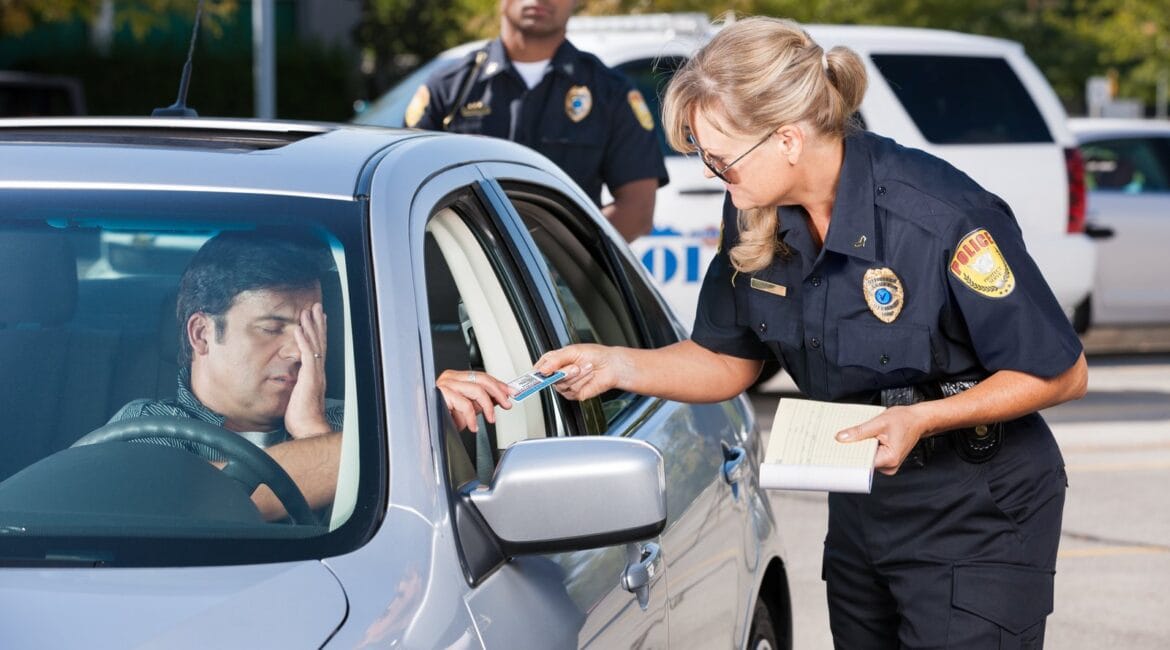

Quick Answer: Yes, Texas law requires every driver to carry at least minimum liability insurance. Driving without it is a misdemeanor that can mean fines up to $1,000, a suspended license or registration, and an SR-22 filing requirement for up to two years. If you cause a wreck while uninsured, you are personally on the hook for the full cost.
Call 713-572-3333 for a Free Case Review
Table of Contents
- Key Takeaways
- Does Texas Require Car Insurance?
- Key Terms to Know
- What Happens If You Are Caught Driving Without Insurance
- Texas No-Insurance Penalties at a Glance
- What Is an SR-22 and Do You Need One?
- What Does an SR-22 Actually Cost?
- Is It Actually Cheaper to Skip Insurance?
- Mistakes to Avoid After a No-Insurance Stop or Ticket
- What Happens If You Cause a Wreck Without Insurance
- What If an Uninsured Driver Hits You?
- How Texas Compares to Neighboring States
- What a No-Insurance Stop Looks Like in Harris County
- Frequently Asked Questions
Key Takeaways
- Texas law requires every registered vehicle to carry at least the state minimum liability insurance under Transportation Code Section 601.051.
- Texas verifies coverage electronically through the TexasSure database, so a lapse can surface even if you are never pulled over.
- A first no-insurance conviction typically brings a fine of $175 to $350; a repeat offense can run $350 to $1,000.
- A no-insurance conviction can also trigger an SR-22 filing requirement, usually for about two years.
- The old Driver Responsibility Program surcharge was repealed in 2019, it no longer applies on top of the fine.
- If you cause a wreck while uninsured, you are personally responsible for damages owed to the other driver, with no insurer to cover it.
Does Texas Require Car Insurance?
Yes. Under Texas Transportation Code Section 601.051, every registered vehicle owner must carry proof of financial responsibility, in practice, liability insurance meeting the state minimum limits. It is not a lender requirement or a suggestion; it is state law, and it is checked electronically, not just at traffic stops. This is one reason the rule exists: Texas is an at-fault state, not a no-fault state, so the driver who causes a crash is responsible for the other people's injuries and damage.
For a full breakdown of exactly how much coverage you need and why the state minimum often is not enough, see our guide: How Much Car Insurance Should I Have? This page focuses on what happens if you skip it entirely.
Key Terms to Know
- TexasSure
- The state electronic verification system that lets DMV offices, law enforcement, and courts confirm in real time whether a vehicle has active liability insurance.
- Proof of Financial Responsibility
- The legal requirement to show you can cover damages you cause while driving. In Texas, this is almost always satisfied with liability insurance.
- SR-22
- A certificate your insurance company files with Texas DPS confirming you carry the required coverage, typically required after a no-insurance conviction or certain other violations.
- Uninsured/Underinsured Motorist (UM/UIM) Coverage
- Optional coverage on your own policy that pays out if the at-fault driver has no insurance or not enough to cover your damages.
What Happens If You Are Caught Driving Without Insurance
Texas verifies insurance electronically through a statewide database called TexasSure, which DMV offices, law enforcement, and courts can all check. If your policy lapses, it typically surfaces there, you do not need to get pulled over for it to catch up with you.
Texas No-Insurance Fines by Offense
Source: Harris County Justice of the Peace Courts; Texas Transportation Code Section 601.191
Beyond the fine, a no-insurance conviction can bring:
- Vehicle registration suspension if TexasSure shows no active policy
- Possible vehicle impoundment
- An SR-22 filing requirement (see below)
- A reinstatement fee of around $100 to get a suspended license or registration back
One myth worth correcting: you may have read that Texas charges an extra annual surcharge on top of the fine. That was true under the old Driver Responsibility Program, but that program and its surcharges were repealed in 2019. A lot of sites online still have not caught up to that. The misdemeanor fine and the SR-22 requirement are real; the old annual surcharge is not.
Texas No-Insurance Penalties at a Glance
| Situation | Fine | License/Registration Impact | SR-22 Required |
|---|---|---|---|
| First offense | $175 to $350 | Possible registration suspension | Usually not, for a first offense alone |
| Repeat offense | $350 to $1,000 | License/registration suspension likely | Yes, typically about two years |
| Causing a wreck while uninsured | No capped fine, personal liability for the other driver’s damages | License suspension until reinstatement requirements are met | Yes |
Source: Texas Transportation Code Section 601.191; Texas Department of Public Safety.

What Is an SR-22 and Do You Need One?
An SR-22 is not insurance, it is a certificate your insurance company files with the Texas Department of Public Safety confirming you carry the required coverage. It is typically required after a no-insurance conviction or certain other violations, and most drivers must maintain it for about two years before it can be dropped. Letting it lapse during that window can trigger another license suspension.
Share of Uninsured Drivers on Texas Roads
Source: Insurance Research Council, via Insurance Information Institute
Roughly 1 in 7 drivers you share the road with in Houston may carry no insurance at all.
What Does an SR-22 Actually Cost?
The SR-22 filing itself is a modest, one-time fee, typically in the $15 to $25 range, paid to your insurance company to file the certificate with Texas DPS. That is not the real cost most drivers notice.
Once an insurer has filed an SR-22, it has also flagged you as a higher-risk driver. That reclassification, not the filing fee, is usually what raises your premium, and it tends to stay in effect for as long as the SR-22 requirement itself lasts, typically about two years of consistent, uninterrupted coverage.
Is It Actually Cheaper to Skip Insurance?
No. A no-insurance ticket plus the SR-22 requirement usually costs more than the insurance would have. SR-22 filings are typically attached to high-risk policies, which carry higher premiums than a standard policy, on top of the fine itself and the reinstatement fee if your license or registration gets suspended. Skipping insurance is not a discount; it is a bet that you will never get caught and never cause a wreck, and a lot of Texas drivers lose that bet every year.
Mistakes to Avoid After a No-Insurance Stop or Ticket
- Assuming a warning means there is no record. TexasSure still logs the lapse even if an officer does not issue a citation.
- Letting an SR-22 lapse before the full term is up. A gap can restart the clock or trigger a new suspension.
- Driving again before reinstatement fees and paperwork have actually cleared with the state.
- Missing a citation deadline, which can add a separate failure-to-appear issue on top of the original ticket.
- Assuming the old annual Driver Responsibility surcharge still applies. It was repealed in 2019.
- Going without legal advice after a wreck that happened while you were uninsured. You may still have options, especially if the other driver was mostly at fault.
What Happens If You Cause a Wreck Without Insurance
The ticket is the smaller problem. If you cause a wreck while uninsured, there is no insurance company standing between you and the bill. You are personally responsible for the other driver's medical expenses, lost wages, and vehicle damage, and if their damages exceed what you can pay, they can sue you directly and pursue your wages, bank accounts, and other assets to collect.
What If an Uninsured Driver Hits You?
Their lack of coverage does not erase your damages, it just means there is no policy on their end to pay for them. Your own uninsured/underinsured motorist (UM/UIM) coverage is usually what fills that gap. If you were hurt by a driver with no insurance, see our Texas Uninsured and Underinsured Motorist Guide, or call us, we will review your policy and theirs at no upfront cost.
How Texas Compares to Neighboring States
| State | Minimum Liability Coverage | First-Offense No-Insurance Fine |
|---|---|---|
| Texas | $30,000 / $60,000 / $25,000 | $175 to $350 |
| Louisiana | $15,000 / $30,000 / $25,000 | $500 to $1,000 |
| Oklahoma | $25,000 / $50,000 / $25,000 | $250 to $500 |
| New Mexico | $25,000 / $50,000 / $10,000 | $300 to $1,000 |
Sources: state minimum-coverage requirements and no-insurance penalty ranges as reported by state departments of insurance and national insurance-rate surveys.
What a No-Insurance Stop Looks Like in Harris County
Most driving-without-insurance cases in Houston are filed as Class C misdemeanors and handled in a Harris County Justice of the Peace court or, inside city limits, Houston Municipal Court. Either way, the fine range is set by state law, not by the city, so the $175 to $350 first-offense range (and $350 to $1,000 for a repeat offense) applies regardless of which Harris County court handles the citation.
Harris County courts can also connect a no-insurance citation to a vehicle registration hold through TexasSure, which can block a registration renewal until the lapse is resolved. If the citation came with other issues, like an expired registration or inspection, those are typically handled as separate charges in the same court appearance.
What Our Clients Say

Frequently Asked Questions
Is there still an annual surcharge for driving without insurance in Texas?
No. That surcharge existed under the Driver Responsibility Program, repealed in 2019. You may still face a misdemeanor fine and an SR-22 requirement, but not an ongoing annual surcharge.
Can my license be suspended for not having insurance?
Yes. If TexasSure shows no active policy on your vehicle, your registration, and potentially your license, can be suspended until you provide proof of coverage and pay any reinstatement fee.
How long do I need an SR-22 in Texas?
Typically about two years from the date it is required, without a lapse. Letting it lapse can restart the clock or trigger another suspension.
Can I be sued personally if I cause a wreck without insurance?
Yes. Without an insurer to pay the other driver's damages, you are personally liable, and they can pursue a judgment against your wages and assets.
Contact The Texas Bulldog Today
Call 713-572-3333 or schedule a free consultation.