
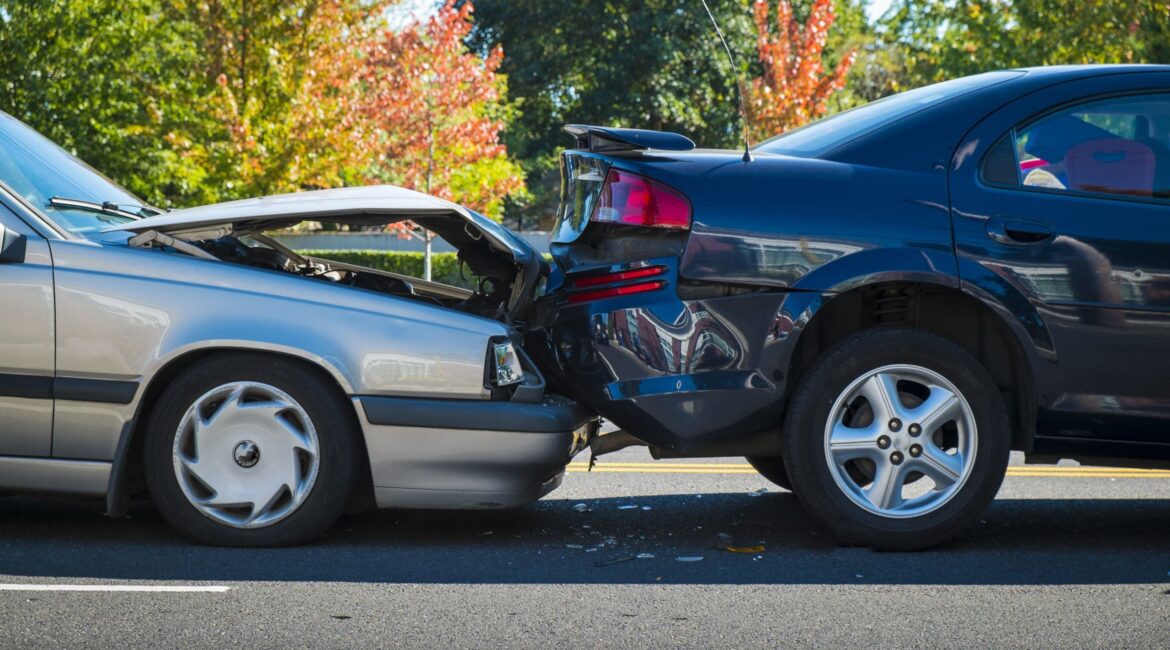
Car accidents are overwhelming — one moment you’re driving home, the next you’re facing medical bills, lost wages, vehicle damage, and insurance adjusters pressuring you to settle quickly. It’s natural to ask: Is it worth hiring an attorney for a car accident?
For many people in Houston and across Texas, the answer is yes. While not every accident requires legal representation, having an experienced car accident lawyer can be the difference between walking away with a minimal payout or receiving the full compensation you deserve.
In this guide, we’ll break down when you should consider hiring an attorney, what lawyers actually do for you, how fees work, and Texas-specific laws that affect your case. We’ll also link to resources from our site — like 10 Essential Car Accident Claim Tips for Houston Victims and our Houston Car Accident Lawyer Practice Page — so you can explore more about your rights. Check out our page featuring Adam’s sidekick McLovin’ The Texas Pitbull!
Table of Contents
- Introduction: Why This Question Matters
- When You Might Not Need a Car Accident Attorney
- When It’s Definitely Worth Hiring an Attorney
- What a Car Accident Attorney Actually Does
- Costs & Fee Structures: What You Should Expect
- How to Choose the Right Car Accident Attorney in Texas
- Texas-Specific Legal & Insurance Considerations
- Steps You Should Take Immediately After a Car Accident
- Case Studies, Examples & Statistics
- Weighing the Cost-Benefit: Is It Worth It?
- How Texas Bulldog Law / Miller Law Firm Can Help You
- Frequently Asked Questions
- Make the Right Call for Your Case
Why This Question Matters
When you’re injured or your vehicle is damaged, the losses can spiral fast. Insurance companies may pressure you to settle quickly for less than your case is worth. Meanwhile, legal deadlines (statutes of limitation) loom. A skilled attorney can tip the balance in your favor — but not every situation requires one.
If your damages are very small, or liability is clear and uncontested, you might handle the claim yourself. But many car accident cases involve complexity — and that’s when hiring an attorney often pays off.
In the sections below, we’ll explore:
- Scenarios where you might not need a lawyer
- Situations where hiring an attorney is strongly recommended
- What a car accident attorney actually does
- Typical costs and fee structures
- How to choose the right attorney
- Texas-specific laws, insurance rules & comparative fault
- Steps you should take right after a crash
- Realistic case outcomes and statistics
Let’s dig in.
When You Might Not Need a Car Accident Attorney
Before deciding to hire legal help, assess whether your claim is simple enough to handle on your own. In these limited scenarios, an attorney may not be strictly necessary:
- Minor property damage only
If the only damage is to vehicles (for example, a small fender-bender) and repair costs are low, you may file directly with insurance and settle quickly. - No injuries or only very minor injuries
Where medical expenses are negligible and no long-term treatment is needed, the financial stakes are low. - Liability is undisputed, and the at-fault party’s insurance is cooperative
If the other driver’s insurer easily accepts fault and offers a fair settlement, hiring a lawyer may provide limited added value. - Stateless or out-of-state parties with no complexity
If all parties reside out of region and there are no cross-jurisdictional issues, the claims process may be straightforward. - You have the time, capacity, and confidence
If you’re comfortable reading, negotiating, and understanding legal documents and insurance practices, you may pursue the claim yourself.
That said, even “simple” accidents can become complicated if the insurance company delays, denies, or offers far less than your expenses. In those cases, consulting a lawyer could still be smart. Our blog on How Much Car Insurance Should I Have in Texas explains why proper coverage matters in these situations.
When It’s Definitely Worth Hiring an Attorney
These are the red-flag scenarios in which hiring an attorney is almost always the smart move:
➤ Serious or complicated injuries
If you suffer broken bones, spinal injuries, traumatic brain injury, internal damage, or require surgery, your medical bills and future care costs can skyrocket. An attorney helps quantify future losses and fights for full compensation.
➤ Disputed liability or fault
When fault is unclear (e.g. no witnesses, conflicting accounts, or comparative negligence arguments), attorneys bring investigators, accident reconstructionists, and legal strategy to prove your side.
➤ Uncooperative insurance companies
Adjusters often attempt to minimize payouts, shift blame, or push early settlement before you realize your full medical needs. An attorney levels the playing field.
➤ Commercial vehicle accident
Your claim involves a commercial vehicle accident, like an 18-wheeler (see our Semi-Truck Accident Guide)
➤ Potential punitive or third-party liability
If negligence is egregious (e.g. drunk driving, distracted driving), or third parties (auto parts makers, road maintenance, municipalities) might share liability, legal representation is critical.
➤ Multiple parties or complex claims
When multiple vehicles were involved, there are multiple insurers, or third-party claims, an attorney helps manage coordination, apportionment, and subrogation.
➤ Statute of limitations and procedural complexity
Texas imposes a 2-year statute of limitations on personal injury claims. Missing deadlines, filing incorrect forms, or failing to preserve evidence can doom your claim. Attorneys know how to handle this.
➤ Low insurance limits or uninsured drivers
If the at-fault driver has low or no insurance, you may need to tap your uninsured/underinsured motorist (UM/UIM) coverage or file a personal lawsuit. An attorney helps navigate these options. (see Hit-and-Run Accidents in Texas)
➤ Litigation is likely
If negotiations fail and the case needs to go to court, having an attorney from the start gives continuity and credibility.

What a Car Accident Attorney Actually Does
To justify their fee, a quality attorney provides value at every step:
- Case evaluation & intake
They assess whether you have a valid claim, the strength of your evidence, your damages, and whether litigation is advisable. - Investigation & evidence gathering
This includes collecting the police report, medical records, photos, CCTV or dashcam footage, interviewing witnesses, obtaining expert testimony, and reconstructing the accident if needed. - Liability & fault analysis
They determine who’s legally responsible and how comparative fault may apply. See our blog on Understanding Comparative Negligence in Car Accidents for deeper insight. - Damage calculation
Attorneys help quantify both economic losses (medical bills, lost wages, property damage) and non-economic damages (pain and suffering, mental anguish, impairment, loss of enjoyment) — see our post on Non-Economic Damages in Texas. - Negotiation with insurers
They present formal demand packages, negotiate for maximum settlement, counter push-back tactics, and handle insurance stalling or denials. See our blog What to Do if the Insurance Company Denies Your Claim for strategies. - Liaison with medical and support providers
Ensures medical liens, billing, and subrogation are accounted for. - Litigation & court representation
If settlement fails, attorneys draft pleadings, manage discovery, file motions, take depositions, and present your case to a jury or judge. - Client counseling & strategic decisions
They advise you at each step: whether to accept offers, go to trial, settle partially, or pursue appeals. - Case closure & execution of judgment
Once resolved, attorneys help collect judgments or enforce settlements, distribute funds to you after costs, and close out outstanding liens and medical bills.
By offloading these tasks, you’re free to focus on recovery — physically, financially, and emotionally.
Costs & Fee Structures: What You Should Expect
A major concern is cost. Here’s how attorneys typically structure fees in car accident cases:
- Contingency fee model: In Texas, most personal injury attorneys take a percentage (often 33.3% to 40%) of the final settlement or award. You don’t pay unless they win.
- No upfront fees: Investigations, court filings, and negotiations are handled “on the house” until resolution.
- Costs / expenses: Some out-of-pocket costs (expert witnesses, deposition fees, court filing fees) may be advanced by the attorney and later deducted from the settlement (before your share). Good attorneys provide transparency about anticipated costs.
- Fee agreement & written contracts: Always ensure you sign a clear contingency agreement that states exactly what percentage is taken, under what circumstances, and how costs are handled.
- Sliding scale or tiered fees: In some cases, the percentage can vary based on settlement amount or whether the case goes to trial.
Because you only pay if there’s recovery, the financial risk is relatively low — but always read the fine print.
How to Choose the Right Car Accident Attorney in Texas
Not all attorneys are equal. Use these criteria:
- Specialization and experience in car accident / personal injury cases
Prefer firms that focus on injury law, not general practice. - Track record & results
Look for published verdicts or settlements, testimonials, and peer recognition (e.g. “Top Rated Personal Injury Attorney in Texas” blog on this site). - Local knowledge & presence
An attorney familiar with Texas statutes, courts, judges, and insurance companies is a major advantage. - Resources & team strength
Larger firms can afford experts, accident reconstructionists, and support staff. - Communication & responsiveness
You want someone who returns calls, answers questions, and keeps you updated. - Transparent fee agreements
Ensure there are no hidden costs, surprise deductions, or ambiguous terms. - Client reviews & reputation
Check online reviews, referrals, and how former clients describe their experience. - Personal fit & trust
You’ll work closely with your attorney, so choose someone you feel comfortable trusting.
Texas-Specific Legal & Insurance Considerations
➤ Comparative negligence in Texas
Texas follows a modified comparative negligence rule: if you are 51% (or more) at fault, you cannot recover damages. If you’re less than 51% at fault, your recovery is reduced by your percentage of responsibility. Understanding Comparative Negligence in Car Accident Cases
Thus, an attorney may reduce your fault share and preserve your eligibility to recover.
➤ Statute of limitations
Most personal injury claims in Texas must be filed within 2 years from the date of the accident. Missing that window typically bars recovery. Semi Truck Accident Guide for Houston Injury Victims
Note: There are exceptions (e.g. claims against government entities), so legal advice is important.
➤ Insurance minimums & coverage gaps
Texas requires minimum coverage of 30/60/25 (i.e. $30,000 per injured person, $60,000 total per accident, $25,000 property damage). That may not be enough in many accidents. Attorneys ensure you consider UM/UIM, umbrella policies, and extra coverage for underinsured situations.
➤ Non-economic damages
Texas law allows compensation for intangible harms (pain, suffering, impairment, emotional distress) — which often exceed your medical bills.
➤ Barratry / illegal solicitation
Texas has strict laws against unsolicited legal solicitation after accidents (ambulance chasing). Be wary of attorneys who call or solicit aggressively. Texas Barratry and Solicitation Attorney
➤ Hit-and-run and uninsured drivers
If the at-fault driver flees or has no insurance, you may rely on your own UM/UIM coverage or creative legal approaches. What to Do After a Hit-and-Run Accident in Texas
➤ Truck / commercial vehicle accidents
These cases are more complex due to federal regulations, multiple liable parties, and large damage potential. Semi Truck Accident Guide for Houston Injury Victims
Steps You Should Take Immediately After a Car Accident
Even before thinking about an attorney, your own actions can dramatically affect the outcome. Here’s a checklist:
- Seek medical attention immediately
Even if injuries seem minor, get checked. Delaying treatment can undermine your credibility. - Call the police & file a report
A formal crash report serves as crucial evidence. - Document everything
Take photos of vehicle damage, road conditions, signage, skid marks, injuries, license plates, and the overall scene. - Collect contact & insurance info
From the other driver(s), passengers, and witnesses. Get phone numbers and statements if possible. - Notify your insurance company
But be cautious about giving recorded statements or signing authorizations without legal review. - Keep detailed medical records & bills
This supports your claims for damages. - Preserve evidence
Don’t repair your car immediately or destroy damaged parts; keep everything as-is until it’s documented. - Avoid speaking too freely with insurers
Insurance adjusters may use offhand statements to reduce your claim. - Contact an attorney early
Even if you’re unsure, some free consultations help you understand whether legal help is worthwhile. - Follow doctor’s orders & treatment plans
Failing to do so gives insurers a reason to reduce your recovery.
Case Studies, Examples & Statistics
A Houston client was injured when his work van was hit by an 18-wheeler. The insurance company only offered $15,000. After legal research and aggressive negotiation by our attorneys, the settlement increased dramatically to $250,000 covering medical bills and lost income.
Read more success stories on our Case Results page.
Statistical insights:
- Several studies suggest that claimants with attorneys receive 2–3× higher average settlements than unrepresented parties.
- Insurance industry data shows that early settlement offers increase if litigation potential exists due to legal representation.
- In Texas, cases involving serious injuries or disputes are far more likely to require legal counsel for fair outcomes.
Weighing the Cost-Benefit: Is It Worth It?
| Situation | Likely Need for Attorney | Reasoning |
|---|---|---|
| Minor damage, no injuries, clear fault | Probably no | The cost of fees might exceed extra recovery |
| Moderate injuries, disputed liability | Yes | Attorneys bring expertise, experts, negotiation leverage |
| Complex claims, multiple parties, likely trial | Yes | Legal representation is essential |
| Uninsured or underinsured at-fault driver | Yes | Requires creative legal strategies |
| Insurance denial or lowball offers | Yes | Attorney can force insurer to take case seriously |
Even if your case is simpler, a consultation is often free — so you’ll know whether hiring a lawyer adds real value.
How The Texas Bulldog Can Help You
At The Miller Law Firm we specialize in personal injury and car accident cases. Our deep Texas roots and experience with local courts and insurers give you advantages many out-of-town or general practice attorneys lack.
We operate on a contingency basis — you don’t pay unless we win. We handle all litigation, evidence, and negotiations so you can prioritize healing.

Frequently Asked Questions
Q: Is hiring an attorney worth it if the other driver admits fault?
A: Possibly. Even if they admit fault, insurers may undervalue your damages or find loopholes. An attorney ensures full compensation for medical costs, future care, and non-economic harm.
Q: How long do I have to file a claim in Texas?
A: Generally 2 years from the date of the accident — though exceptions exist for government claims or special circumstances.
Q: What percentage do attorneys take in car accident cases?
A: Usually 33.33% to 40%, depending on whether the case is settled pre-trial or goes to court.
Q: Can I switch attorneys mid-case if I hired one but feel unsatisfied?
A: Yes — though you may owe compensation to the original attorney for work done. Make sure contracts permit this or evaluate carefully before hiring.
Q: Will an attorney guarantee a higher settlement?
A: No guarantee, but they maximize your chance of fair recovery by leveraging legal strategy, evidence, and negotiation.
Make the Right Call for Your Case
So — is it worth hiring an attorney for a car accident? The answer depends, but often the added value outweighs the cost by a wide margin. If you face serious injuries, disputed fault, insurance pushback, or complex legal issues, a skilled attorney can tip outcomes significantly in your favor.
Start with a free consultation, review their track record, understand their fees, and choose someone you trust. At The Miller Law Firm, we’d be honored to review your case, explain your rights, and fight for the compensation you deserve.
Call 713-572-3333 for a free, no-obligation case review or fill out our contact form.