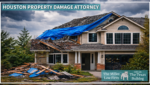

When a storm rips through your property, topples trees, or causes structural damage, one of the first and most pressing questions is: Will my homeowners insurance cover the cost of debris removal? As a property insurance lawyer, I get that question all the time. The answer is: “It depends” — and the details matter more than most homeowners realize.
In this article, we’ll break down:
- What “debris removal” means under standard homeowners insurance
- When debris removal is covered (and when it isn’t)
- Policy limits, exceptions, and common insurer denials
- Key steps to maximize your recovery
- When you need a property insurance lawyer (and how Texas Bulldog Law can help)
By the end, you’ll know whether debris removal should be a worry—or a line item in your claim that you should fight for.
What Does “Debris Removal” Mean Under Homeowners Insurance?
Debris removal refers to the cost of removing, cleaning up, and disposing of damaged property (wood, materials, wreckage) following a covered loss (e.g. storm, fire, hurricane). It’s not just sweeping the yard — it includes demolition, hauling, hauling permits, disposal fees, and in some instances hazardous cleanup.
Insurance policies typically treat debris removal as a supplementary cost in addition to the cost to repair or replace damaged property. In other words:
- You first have the direct loss (e.g. your roof is torn off)
- Then you have the debris removal cost associated with clearing the damaged materials
Some policies explicitly include a “debris removal” clause or extension. Others treat it implicitly under “additional coverages.” But insurers often try to minimize or deny these costs, so legal insight is crucial.
When IS Debris Removal Covered — and When Not?
✅ Covered Cases (Typical)
Debris removal is generally covered if:
- The damage causing the debris is from a covered peril (e.g. fire, windstorm, hail, hurricane)
- The debris removal is reasonably necessary to repair your property
- You submit your debris removal costs within policy time limits
- You document the work carefully (photos, contractor proposals, invoices)
- The removal doesn’t violate local laws or ordinances
For example:
- A windstorm collapses part of your roof; fallen shingles, wood fragments, insulation must be removed.
- A tree falls during a hurricane and damages siding and fencing — the insurer may pay to remove the tree and debris (subject to limits).
- A fire damages interior walls and leaves charred materials; cleanup is needed before rebuilding.
🚫 Excluded or Disputed Cases (Common Denials)
Insurers often deny or limit debris removal in these scenarios:
- The debris is from an uninsured peril (e.g. termite damage, wear & tear, poor maintenance)
- The debris is not directly related to the covered loss (they argue it’s a separate cost)
- Cleanup is excessive, unreasonable, or unnecessary
- Policy limits for debris removal have been exhausted
- You fail to timely file or document the claim
- Local ordinances or environmental rules make removal more expensive — insurer claims “exclusion”
- Hazardous materials (asbestos, mold, contaminated soil) — many policies exclude or limit those
Insurers will scrutinize whether the debris removal is “directly caused” by the covered event. Anything they can label as “general cleanup” is a target for reduction or denial.
Limits, Sub-Limits & Common Pitfalls
Debris Removal Sub-Limits & Caps
Even if your policy says it covers debris removal, there’s usually a limit or cap. Common cap structures are:
- A fixed dollar amount (e.g. $10,000 debris removal limit)
- A percentage of the direct loss (e.g. up to 25% of the direct damage payout)
- Combined within the total policy limit
For example, if your insurer pays $100,000 for your roof loss, your debris removal reimbursement might be capped at 25%, or $25,000 — even if your actual cleanup costs are $35,000. Often, insurers subtract debris removal from the total, leaving less for repairs.
Deductibles & Coinsurance
Some policies apply the deductible to debris removal, effectively reducing your payout. Others might include a coinsurance clause that prorates your recovery if your coverage amount is too low relative to property value.
Timeframe / Claim Filing Deadlines
Many homeowners policies require debris removal claims to be submitted within a set timeframe (e.g. 180 days). If you miss that window, the insurer may refuse to pay. Always check your policy’s “notice of loss” clause.
Documentation Requirements
To enforce your rights, you’ll need:
- Before/after photos of debris
- Contractor bids and invoices
- Permits or disposal tickets
- Written scope of work
- Proof that the debris removal is necessary to begin reconstruction
If your insurer claims the work is cosmetic or not necessary until later, you might lose your chance.
Ordinance & Law (Building Codes)
Local building codes may require demolition or removal before rebuilding. Sometimes insurers try to exclude those costs, but if codes force removal, those costs should be covered (or at least contested). A property insurance lawyer can argue this point.
Steps to Maximize Your Debris Removal Recovery
Here’s what to do immediately after a damaging event:
- Document — take wide-angle and close-up photos, videos, and notes of all debris and damage.
- Engage a qualified contractor — get detailed bids for debris removal and structural work.
- Submit notice to insurer — promptly inform your insurance company, referencing your debris removal costs.
- Request additional coverage — if your policy has separate debris removal limits, assert them early.
- Push for written confirmation — ask the insurer in writing about its position on debris removal.
- Preserve all records — keep every invoice, ticket, email, permit, and contractor note.
- Don’t agree to final settlement prematurely — hold back on signing full release until debris costs are finalized and included.
- Call a property insurance lawyer — if the insurer denies, undervalues, or delays your debris removal claim, legal help can tip the balance.
At The Miller Law Firm, we often see insurers lowball debris removal or lump it into repair costs. Our attorneys fight to separate and maximize debris removal compensation.
When You Need a Property Insurance Lawyer (Especially in Texas)
If your insurer denies or lowbids debris removal, you should consult a property insurance lawyer. Here’s what we do:
- Interpret the fine print of your policy
- Draft demand letters citing Texas insurance code
- Hire independent adjusters and engineers
- Prepare rebuttals to denial reasons
- Negotiate or litigate in state courts or through appraisal
- Ensure you recover both repair costs and debris removal
For example, The Miller Law Firm (a.k.a. Texas Bulldog Law) handles property damage claims, including wind damage claims across Texas. We also provide resources like our Property Damage eBook to help policyholders navigate claims.

Related internal resources you may find helpful:
- Wind Damage Claims page — helps homeowners in windstorm debris cases
- 5 Reasons to Hire the Texas Bulldog Attorney — covers why our firm fights insurance companies hard
Having a lawyer early improves your leverage. Insurance companies know attorneys can push for statutory interest, extra policy penalties, and file suits under Texas law.
FAQ / People Also Ask
Q1: Does homeowners insurance always pay for debris removal?
A: No. Debris removal is only covered if the debris results from a covered peril (e.g. fire, windstorm) and if the cost is reasonable, documented, and within policy limits.
Q2: What if my debris removal cost is higher than my policy limit?
A: The insurer only pays up to the debris removal sub-limit. You may bear the excess unless you successfully negotiate or litigate.
Q3: How long do I have to file a debris removal claim?
A: Many policies require claims within 180 days (or specified timeframe) of the damage. Late submissions are often denied.
Q4: Can debris removal include hazardous waste (e.g. mold, asbestos)?
A: Often only if your policy’s hazardous materials coverage allows it, or if local codes mandate it—otherwise, insurers may exclude it.
Q5: When should I call a property insurance lawyer?
A: If your insurer denies, undervalues, or delays debris removal reimbursement, a lawyer can fight on your behalf under Texas insurance and contract law.
Google Reviews

Call The Texas Bulldog Today
If your home has been damaged and your homeowners insurance is giving you the runaround call us for a free case review. Adam Miller will discuss your situation for FREE and if he can not help your specific situation he will be able to point you in the right direction.
Call 713-572-3333 today or fill out our contact form.
The Texas Bulldog is ready to fight for you.