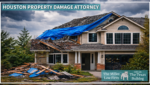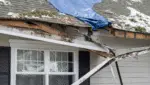

Hailstorms are a frequent occurrence in Texas, often leaving homeowners with significant damage. Navigating the insurance claim process can be daunting. Many homeowners find their claims denied, adding stress to an already challenging situation. Understanding why claims are denied is crucial. This guide will help you navigate the complexities of hail damage insurance claims.
We will explore common reasons for claim denials and offer practical advice. You’ll learn how to document damage effectively and understand your policy. We’ll also discuss what steps to take if your claim is denied.
By the end, you’ll be better prepared to handle hail damage claims. Protecting your home and rights is our priority.
Understanding Hail Damage and Homeowners Insurance in Texas
Hailstorms in Texas can be severe, causing significant damage to roofs and exteriors. Homeowners insurance usually covers such damage. However, understanding your policy is essential. Knowing what is covered prevents surprises during the claim process.
Key factors of a homeowners insurance policy include:
- Coverage Limits: Know how much your policy covers.
- Exclusions and Deductibles: Some policies have specific exclusions.
- Policy Type: Distinguish between actual cash value and replacement cost coverage.
Keeping your policy updated annually ensures adequate coverage. Regularly reviewing these aspects helps you prepare for potential hail damage. Knowing the details of your policy helps make the claim process easier. This protects your home from unexpected costs due to hail damage.
The Insurance Claim Process for Hail Damage
Filing an insurance claim for hail damage involves several essential steps. The process begins with promptly reporting the damage to your insurer. Timely reporting ensures a faster response.
Next, document the damage thoroughly. Take clear photos and videos of all affected areas. This evidence will support your claim.
Understanding the claim process is vital for a successful outcome. Consider these steps:
- Report Damage Promptly: Quick notification prevents delays.
- Document Thoroughly: Detailed records strengthen your claim.
- Communicate Clearly: Keep detailed notes of all conversations with your insurer.
An insurance adjuster will inspect your property to assess the extent of damage. Be present during the inspection if possible. Your presence ensures accurate reporting.
Lastly, review the insurance estimate thoroughly. Make sure it covers all necessary repairs. Understanding this step helps you avoid potential oversights in repair costs and enables effective negotiations, protecting your investment.
Common Reasons for Denied Hail Damage Claims
Claim denials can frustrate homeowners, but understanding the reasons helps. Insurers often cite poor maintenance as a primary cause. Pre-existing conditions may also lead to denial.
Filing errors often go unnoticed but are a common denial reason. Incorrect or incomplete claim forms can slow down or halt the process. Being meticulous can prevent these issues.
Awareness of policy details is crucial. Some policies have specific exclusions or deductibles not clearly visible without thorough review. Knowing these factors prevents surprises during the claim process.
Common denial reasons include:
- Lack of Maintenance: Insurers expect regular upkeep.
- Pre-Existing Damage: Claims for old damages get rejected.
- Filing Errors: Mistakes can delay or deny claims.
By understanding these factors, homeowners can better navigate the challenging waters of insurance claims.
What to Do If Your Hail Damage Claim Is Denied
Receiving a denial can be discouraging, but you have options. Start by reviewing the denial letter for specific reasons. Understanding why the claim was denied helps in forming your next steps.
Gather additional evidence to strengthen your case. Photos, videos, and repair estimates serve as crucial support in challenging a denial. This documentation can make a significant difference in the appeal process.
Consider appealing the decision. Write a letter to your insurer explaining why you believe the denial was incorrect. Include all new evidence and any discrepancies noted in their assessment.
If the issue persists, seeking expert advice can be beneficial. A public adjuster or legal professional can provide guidance. They may help negotiate a better settlement or facilitate further action.
Steps to take if your claim is denied:
- Review Denial Letter: Understand reasons behind the decision.
- Gather Additional Evidence: Collect more documentation and estimates.
- File an Appeal: Present your case with new evidence.
- Seek Expert Advice: Consider professional help if necessary.
Being proactive and persistent can improve your chances of a positive outcome.
Tips for a Successful Hail Damage Insurance Claim
Securing approval for your hail damage claim requires strategic steps. Start by reviewing your insurance policy carefully. Make sure you understand what is covered under your homeowners insurance.
Prompt action is essential. Report the hail damage to your insurance company as soon as possible. Timely reporting can prevent any disputes about the damage being unrelated to the hailstorm.
Maintain thorough records throughout the process. Keep detailed logs of all communications with your insurer. Photos and videos of the damage are vital for creating a solid claim.
Here are key tips for a successful claim:
- Review Your Policy: Know coverage details and limitations.
- Report Damage Promptly: Inform your insurer quickly.
- Document Everything: Use photos and logs to support your claim.
Being organized and informed can greatly enhance your claim’s chances of success.
Choosing the Right Contractor for Hail Damage Repair
Selecting the right contractor is crucial for repairing hail damage. Look for contractors with a strong reputation and verified credentials. Quality repairs ensure long-term protection for your home.
Be cautious of contractors who appear after storms offering quick fixes. Verify their references and check online reviews to avoid scams. Ensure they are licensed and insured.
Here are some steps to help you choose a contractor:
- Research Thoroughly: Look into their history and client feedback.
- Verify Credentials: Check for licenses and insurance.
- Request Multiple Quotes: Compare estimates for transparency in pricing.
These steps will help you find a reliable contractor who will handle your repairs professionally.
Legal Rights and Resources for Texas Homeowners
Texas homeowners have specific rights when dealing with insurance claims. Understanding these rights can help you navigate the claims process more effectively. Knowledge of state regulations can empower you in case of disputes with your insurer.
The Texas Department of Insurance provides resources and guidance for homeowners. These resources are designed to support you if you face challenges during the claim process. Utilizing these tools can protect your interests and facilitate negotiations.
Consider the following resources:
- Texas Department of Insurance Website: Offers detailed consumer information.
- Legal Aid Organizations: Provide support for low-income families facing insurance disputes.
- Public Adjusters: Can assist with claim evaluations and negotiations.
By staying informed and utilizing available resources, you can better protect your home and your rights.
Conclusion: Protecting Your Home and Your Rights
Navigating a hail damage insurance claim in Texas can be complex, but preparation is key. Understanding your insurance policy, knowing your rights, and utilizing available resources are critical steps. Stay proactive in documenting damage and communicating with your insurance provider.
Consider professional help if you’re facing challenges in the claims process. Being informed and assertive can help you avoid potential pitfalls. By taking these steps, you can protect your home from extensive damage and ensure your rights are respected during the insurance claim process.