
Table of Contents
- Introduction
- Defining “Hurricane Season” in Houston
- Why Houston Remains at Risk Even After the Peak Months
- Common Types of Hurricane Damage in the Houston Area
- What a Homeowner Should Do Immediately After a Storm
- Download Our Free Property Damage eBook
- Why You Should Consult a Texas Hurricane Damage Attorney
- How to Choose the Best Houston Hurricane Damage Attorney (Hint: We Are)
- Frequently Asked Questions (FAQ)
- Conclusion
- Video
- Real Reviews
- Google Map – Our Office
Introduction
Here in Houston, many homeowners breathe a sigh of relief when what meteorologists call “peak hurricane season” winds down. But the question remains: Is hurricane season truly over in Houston? The short answer: No – not entirely.
As the team at The Miller Law Firm – home of “The Texas Bulldog” – we have seen countless cases where damage was done long after headlines faded. And when the damage happens, you need someone who knows how to fight – that’s exactly what we do.
Through this article we’ll walk through how hurricane season is defined, why the risk remains, what types of damage you face, what you must do as a homeowner, and why you need a top-tier Texas hurricane damage attorney. We’ll show you how we help Houston homeowners like you already.
Defining “Hurricane Season” in Houston
The Atlantic hurricane season officially runs from June 1 through November 30. However, that doesn’t mean that the risk of storms, tropical depressions, or wind-damage simply disappears at the end of November. In fact, the Gulf of Mexico remains warm, and even “post-season” storms can develop.
In the Houston region:
- Storm surge, heavy rainfall, and high winds can occur even outside the peak months.
- Damages from hurricanes often linger far beyond the landfall day. Roof leaks, wind-driven rain, structural issues may take weeks or months to fully manifest.
- Insurance companies may count on confusion about seasonality to delay or deny claims.
So while the “official season” may taper off, the risk of damage does not vanish. If you own property in Houston you must remain vigilant.

Why Houston Remains at Risk Even After the Peak Months
Warm Gulf Waters & Late-Season Storms
The Gulf of Mexico can retain high sea surface temperatures into late autumn, meaning the fuel for storm formation remains. Late-season hurricanes, or storms that form in November, may still affect the Texas coastline.
Secondary Effects: Wind, Rain, and Flooding
Even without a major hurricane, Houston homeowners face threats from:
- Straight-line winds that can damage roofs, windows or trees.
- Wind-driven rain that infiltrates homes when protection is compromised.
- Flash flooding and surge especially in low-lying or bayou-adjacent areas.
Delayed Damage Becomes Hidden Threats
Oftentimes the major visible damage happens on landfall day, but the hidden damage emerges later:
- Roof sheathing compromised, shingles missing, leading to future leaks.
- Water intrusion through siding or windows that wasn’t addressed immediately.
- Mold growth or structural weakening from prolonged moisture.
When damage lingers unseen, insurance companies may argue it was “pre-existing” or “maintenance”-related. That’s why prompt documentation and skilled legal help matter.
Common Types of Hurricane Damage in the Houston Area
When a storm strikes or even passes nearby, homeowners in Houston often deal with:
A. Wind Damage
High winds can lift shingles, tear off siding, blow out windows, or collapse outbuildings. Standard homeowner policies may cover wind damage. See our page on Wind Damage Claims for more.
B. Wind-Driven Rain & Water Intrusion
When wind forces rain into weaknesses in the exterior of your home (roof edges, windows, siding joints), interior damage results. The distinction between “wind-driven rain” and “flood” is critical in insurance claims.
C. Flood & Storm Surge Damage
Rising water, bayou overflows, or surge from the Gulf may be excluded from your standard homeowners policy and may require a separate flood policy. At The Miller Law Firm we handle Flood Damage Claims because many homeowners wrongly assume they’re covered.
D. Collateral Damage: Trees, Power Loss & Fires
Downed trees can crush roofs or vehicles. Power outages may trigger spoilage, sump pump failures, or even fires, all adding to your claim exposure.
E. Hidden & Progressive Damage
Cracked roof decking, uplifted flashing, unseen roof leaks, interior mold—all of these may manifest slowly but must be addressed timely.
What a Homeowner Should Do Immediately After a Storm
If your home or property suffers a storm event, follow these steps to preserve your rights and strengthen any insurance claim:
Step 1: Ensure Safety First
Do not enter areas that are structurally unsafe. Turn off utilities if unexplained damage exists.
Step 2: Document Everything
- Take time-stamped photos and videos of all damage—exterior and interior.
- Include damaged belongings, spoiled food (if power outage), downed trees, roof damage, water intrusion.
- Create an inventory of damaged items with estimated value.
Step 3: Notify Your Insurance Company Promptly
File your initial notice of claim as soon as possible. If narrative is required, keep it factual and concise.
Step 4: Make Temporary Repairs (Mitigation)
Cover broken windows, tarp roofs, remove water, but keep receipts. These actions prevent further damage and support your claim.
Step 5: Do Not Accept the First Low Offer Without Review
Insurance adjusters often make first offers quickly to reduce exposure. Before you cash any check or sign any release, you may want to call a top attorney.
Step 6: Preserve All Correspondence
Keep all emails, letters, phone logs, adjuster contacts, contractor estimates. They matter if your claim is delayed or denied.
Step 7: Consult a Texas Hurricane Damage Attorney
The moment you suspect the insurer is undervaluing, delaying, or denying valid damage—you need experienced legal counsel.
Download Our Free Property Damage eBook
Why You Should Consult a Texas Hurricane Damage Attorney
You might ask: “Why do I need a lawyer for storm damage? Can’t I handle it myself?” Here are the reasons:
• Complex Insurance Policy Language
Insurance policies are filled with terms like “wind-driven rain,” “flood exclusion,” “maintenance required,” which can confuse an unrepresented homeowner.
• Insurers Are Businesses — Not Your Advocate
While they collect premiums, insurers often minimize payouts by arguing exclusions, depreciation, or pre-existing damage. A dedicated attorney levels the playing field.
• Time Is Limited & Deadlines Matter
For example, a flood policy under the National Flood Insurance Program (NFIP) generally requires a proof-of-loss submission within 60 days of notice.
• Hidden Damage May Require Expert Analysis
Roof uplift, deferred leaks, structural compromise—these issues may require engineer reports, expert testimony and legal strategy. That’s what we at The Miller Law Firm do.
• Legal Remedies for Bad Faith
If your insurer unreasonably denies or undervalues your claim, Texas law may permit bad-faith damages beyond policy limits.
In short: The storm damage has occurred. The recovery process is just as important as the initial repairs. Don’t gamble with your rights.
How to Choose the Best Houston Hurricane Damage Attorney (Hint: We Are)
Here’s what you should look for — and why Adam H. Miller, The Texas Bulldog and The Miller Law Firm tick every box.
✅ Local Experience in Houston & Texas
Houston’s courts, local adjusters, weather-patterns—your attorney should know them intimately. We’ve practiced here for 30+ years and secured hundreds of millions for injured clients.
✅ Specific Expertise in Property Damage & Hurricanes
Our property damage practice covers wind, hail, hurricane, flood and beyond. See our Property Damage page.
✅ Contingency Fee Basis
You don’t owe us unless we recover for you. That aligns our interests with yours.
✅ Strong Reviews
We have top-tier Google reviews that highlight our dedication, results, and no-nonsense approach.
✅ Strategic, Trial-Ready Approach
Insurance companies take us seriously because we’re prepared to go to trial — if that’s what it takes.
⏩ Bonus: We help with Pre-Settlement Funding
You don’t have to wait for weeks or months to begin recovery. We can connect you with resources so you can move forward.
Our Commitment to You: When you call us at 713-572-3333 and mention you were impacted by a storm or hurricane event, we will offer a free no-obligation consultation. We’ll review your policy, investigate damage, estimate value, and help you decide whether you have a strong claim.
Frequently Asked Questions (FAQ)
Q1: If the weather event was a tropical storm and not a hurricane, can I still file a claim?
Yes. The type of storm (hurricane, tropical depression, tropical storm) matters less than the damage. If wind, rain or flooding damaged your property and your policy covers those perils, you may have a valid claim.
Q2: My insurer said my damage is “maintenance-related” not storm-related. What does that mean?
Insurers often deny claims by blaming wear and tear or lack of maintenance. That’s where legal help matters. An attorney can help you show that the damage was caused by a covered event — and not just old shingles.
Q3: Do standard homeowner policies cover flood from a storm surge?
Usually not. Flood coverage often requires a separate NFIP or private flood policy. See our Flood Damage Claims guide for more.
Q4: How long do I have to file a claim after storm damage?
You should act immediately. While state statutes may give you years, documentation, mitigation and the insurer’s deadlines often demand prompt action. For flood policies, Proof of Loss may be due within 60 days. How to Protect Your Home From Flood Damage
Q5: If my roof was damaged during hurricane season, but I didn’t notice until months later, can I still claim?
Possibly — especially if you can show the damage was caused by the storm and not by gradual deterioration. That’s when hidden-damage experts and legal counsel help.
Q6: How much will a hurricane damage case cost me in attorney fees?
In our firm you pay no upfront fees. We earn our fee only if we recover compensation. You keep focus on recovery while we handle the legal work.
Conclusion
So, is hurricane season over in Houston? From a meteorological calendar standpoint maybe—but from a homeowner’s risk-perspective: absolutely not. Storms may come later, hidden damage may emerge later, insurance companies will still be scrutinizing your claim.
When you’re facing damage from wind, rain, flood or storm events you need more than a good contractor. You need an experienced hurricane damage attorney who knows Houston, knows insurance law, and will fight for you. That’s exactly what we do here at The Miller Law Firm — home of The Texas Bulldog.
If you suspect you’ve got storm damage, don’t wait. Call us today at 713-572-3333 or visit our Property Damage Claims page to get started.
We stand ready to help you rebuild, recover, and reclaim what you’re owed.
Video
⭐ Client Reviews & Testimonials
Here’s what some of our clients are saying about us:
⭐⭐⭐⭐⭐ “The relief that ALL my medical bills were paid and I still walked away with money made it all worth it. Erica and Julia were awesome!” – O’Neal T.
⭐⭐⭐⭐⭐ “Adam Miller — The Texas Bulldog — fought for me when no one else would. He truly cares and never gave up.” – Cynthia N.
⭐⭐⭐⭐⭐ “Adam and Daniel are very thorough, caring, and make sure your case will be handled as impeccably as possible!” – Jeffery G.
⭐⭐⭐⭐⭐ “Very competitive and understanding lawyer helped me out very much with my motorcycle wreck if it wasn’t for Miller Law Firm I would have never gotten a dime.” – Carl M.
These testimonials reflect the real experience of our clients here in Houston.
Google Map – Our Office

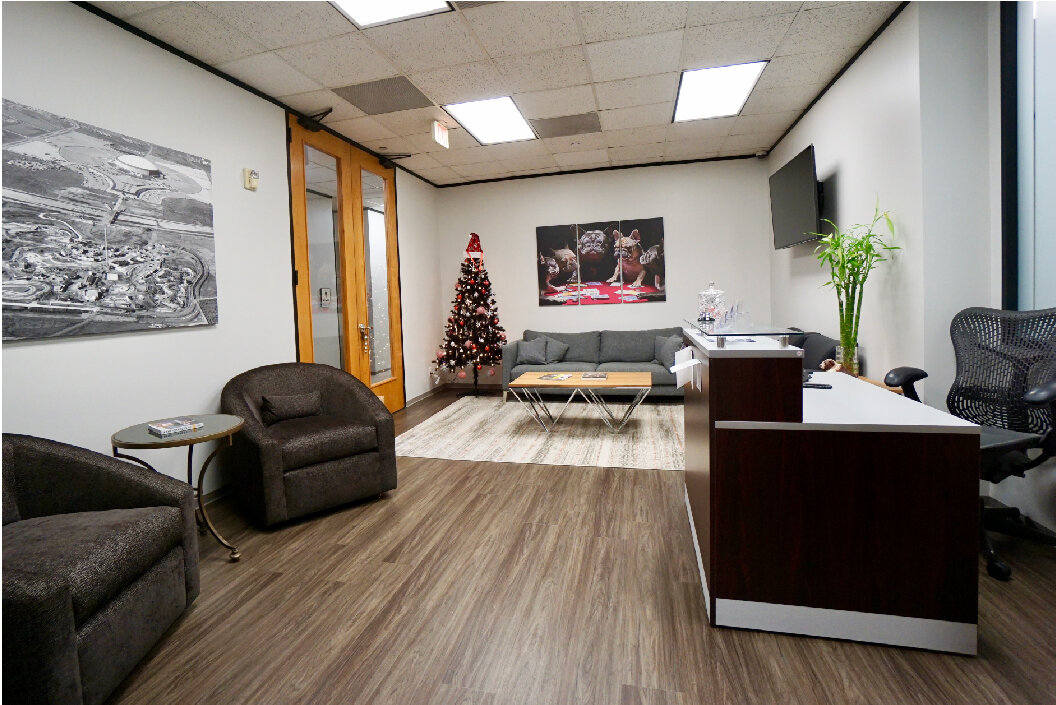
Our office is located at:
4900 Woodway Drive, Suite 900, Houston, Texas 77056
We have free covered garage parking!
Ready to talk? If your home suffered storm or hurricane-related damage, call us today at 713-572-3333 for a free consultation — we’ll fight for your recovery.
(This article does not constitute legal advice. You should consult an attorney for advice specific to your case.)