

Seatbelt injuries after a car accident can happen even when someone does everything right. Seatbelts save lives. There is no question about that. However, that does not mean a seatbelt cannot leave someone seriously hurt after a violent crash. In Houston car accident cases, it is common for injured drivers and passengers to walk away with bruising across the chest, pain in the ribs, abdominal tenderness, or a deep seatbelt mark that looks minor at first but turns out to be much more serious.
That is one reason this topic matters. Insurance companies often act like a seatbelt injury is nothing more than soreness or a bruise. In real cases, that is not always true. The force of a collision can turn a seatbelt into the very thing that prevents ejection while also causing rib fractures, internal bleeding, soft tissue injuries, organ damage, and spinal trauma.
If you are dealing with seatbelt injuries after a car accident, you need clear answers. You also need to understand what steps protect both your health and your injury claim. This guide explains how these injuries happen, what symptoms to watch for, why insurance carriers try to minimize them, and why strong legal representation can make a real difference in what you recover.
Quick Answer
Seatbelt injuries after a car accident can include bruising, chest trauma, rib fractures, abdominal injuries, internal bleeding, and spine damage. A visible seatbelt mark may be a warning sign that the force of the crash injured more than just the skin. If you have pain, bruising, or new symptoms after a crash, get medical care right away and speak with an experienced Houston car accident lawyer before the insurance company downplays what happened.
Table of Contents
- What Are Seatbelt Injuries After a Car Accident?
- Common Types of Seatbelt Injuries
- What Is Seatbelt Syndrome?
- Watch: Adam Miller Explains Seatbelt Injuries
- Why Insurance Companies Downplay Seatbelt Injuries
- Why Hiring an Attorney Often Gets You More
- What to Do After an Accident
- What Not to Do After an Accident
- Seatbelt Injury Statistics and Chart
- Case Results Matter in Serious Injury Claims
- What Clients Say About The Texas Bulldog
- Why Houston Clients Choose Adam Miller
- Houston Seatbelt Injury Lawyer
- Frequently Asked Questions
- Visit Our Houston Office
What Are Seatbelt Injuries After a Car Accident in Houston?
Seatbelt injuries after a car accident are injuries caused by the restraint itself during the violent force of impact. When a vehicle stops suddenly, the body keeps moving. The seatbelt catches that force and spreads it across the chest, shoulder, and waist. That restraint is what saves countless lives every year. At the same time, in a high-impact crash, the pressure can injure the exact areas where the belt held the body in place.
That is why people often notice pain along the collarbone, chest, ribs, sternum, abdomen, or lower back after a wreck. Some people also develop bruising or a visible diagonal mark across the shoulder and chest. Others do not realize anything serious happened until hours later, when the adrenaline wears off and the pain starts building.
These injuries are especially common in rear-end crashes with major speed differences, T-bone collisions, rollovers, multi-vehicle pileups, delivery van crashes, truck crashes, and other accidents where the body absorbs a sudden stop. If the crash was severe enough to leave vehicle damage, deploy airbags, or cause your body to slam hard into the restraint, a seatbelt injury claim should be taken seriously from the beginning.
Many injured people also suffer related conditions such as neck injuries, back injuries, and disc problems. If your symptoms go beyond bruising, it may help to read more about herniated disc injuries after a Houston car accident.
See How We Handle Houston Car Accident Claims
Common Types of Seatbelt Injuries
Seatbelt injuries do not all look the same. Some are obvious on day one. Others are hidden and only show up after medical imaging or emergency evaluation. That is part of what makes these claims more complicated than they seem.
Chest Bruising and Soft Tissue Damage
One of the most common seatbelt injuries is bruising across the chest or shoulder. Insurance adjusters love to call this “minor.” The problem is that bruising can be the outside sign of a much deeper injury. The same force that leaves a mark on the skin can also injure muscles, connective tissue, or the structures underneath.
Rib Fractures and Sternum Injuries
A strong seatbelt restraint can fracture ribs or injure the sternum, especially in a hard front-end collision. These injuries can make it painful to breathe, sleep, cough, laugh, or even sit upright for long periods. They can also disrupt work and daily life far more than insurers want to admit.
Abdominal Trauma
The lap belt portion can cause abdominal bruising, internal bleeding, bowel injuries, or organ damage in serious crashes. This is one reason doctors pay close attention to a seatbelt mark around the stomach area. It can be a clue that something more dangerous is happening internally.
Spinal and Back Injuries
The way the body is restrained during impact can create violent pressure on the lower back, mid-back, or neck. In some cases, seatbelt forces combine with twisting, rotation, or side impact movement that leads to disc injuries, nerve irritation, or long-term back pain.
Shoulder and Collarbone Injuries
The shoulder strap can leave a deep bruise or create significant pain around the clavicle and shoulder joint. That is especially true when the shoulder absorbs force while the rest of the body keeps moving.
In other words, the phrase “seatbelt injuries after car accident” covers much more than a little soreness. It can involve a wide range of painful, expensive, and medically significant conditions.
What Is Seatbelt Syndrome?
Doctors sometimes use the term seatbelt syndrome to describe the pattern of injuries associated with restraint use in a collision. It usually refers to the combination of a visible seatbelt mark and the possibility of more serious internal trauma beneath it.
That phrase matters because it helps explain something many crash victims do not realize: the mark itself is not always the injury. Sometimes it is the warning sign. A bruise across the chest or stomach can be the visible clue that the body absorbed a violent amount of force. That force may have damaged ribs, internal organs, the abdominal wall, or the spine.
This is also one of the reasons you should not shrug off a seatbelt mark after a wreck just because you walked away from the scene. Some injuries become more obvious over time. Pain can worsen. Swelling can increase. Internal injuries can take hours to become unmistakable. If you notice a seatbelt mark and feel pain, pressure, dizziness, nausea, shortness of breath, or worsening tenderness, you need medical attention right away.
Watch: Adam Miller Explains Seatbelt Injuries
In this short video, Adam Miller explains how seatbelt injuries happen, why they can be more serious than they look, and why insurance companies often try to minimize them.
If you prefer reading, keep going. The sections below break down the medical, insurance, and legal side of seatbelt injuries after a car accident in a way that is easier to use when you are trying to decide what to do next.
Why Insurance Companies Downplay Seatbelt Injuries
Insurance companies know that seatbelts save lives. They also know juries generally view seatbelt use as responsible behavior. Even so, carriers still try to minimize these claims because the visible injury often looks less dramatic than the pain and damage underneath.
One of the most common tactics is to call it “just bruising.” Another is to argue that if you left the scene or did not go to the emergency room immediately, the injury could not have been serious. They may also suggest your symptoms are from a pre-existing condition, age, ordinary wear and tear, or stress rather than the crash itself.
That is where claim value can start slipping away. If the carrier controls the story early, they may shape the case around a soft-tissue narrative when the medical reality is much more serious. Good lawyers push back by tying the mechanism of injury to the medical findings, documenting how the crash happened, and making the insurance company deal with the actual evidence instead of its preferred version of events.
If you want a better understanding of how insurers approach these cases, read How the Insurance Game Works After a Texas Accident. It helps explain why insurance companies move fast, why they look for excuses to pay less, and why strong presentation matters.
Learn How Insurance Companies Try to Pay Less
Why Hiring an Attorney Often Gets You More
People hear that a lawyer can help…

This infographic shows the key factors that impact how much a seatbelt injury case may be worth after a car accident.
Attorneys Build the Medical Story
Seatbelt injury cases are often undervalued because the carrier focuses on the surface-level appearance. An experienced attorney works to connect the crash forces, the seatbelt mark, the imaging, the diagnosis, the treatment, and the day-to-day pain into one clear story. That matters.
Attorneys Preserve the Right Evidence
Photos of bruising, emergency records, follow-up treatment, crash reports, witness statements, and vehicle damage all help establish that the force was real and the injuries were not made up later. When that evidence is gathered and organized early, it can strengthen the claim substantially.
Attorneys Put Trial Pressure on the Carrier
Insurance companies track law firms. They know which lawyers prepare cases seriously and which ones rush to settle. That affects value. Trial-ready pressure can change how a carrier evaluates risk, especially when the injury is more serious than it first appeared.
Attorneys Help Recover Full Damages
A seatbelt injury case is not just about the first doctor visit. It may include future care, lost earnings, pain and suffering, physical limitations, sleep disruption, reduced quality of life, and complications that continue long after the bruising fades.
If you want to understand the client experience from start to finish, visit What It’s Like to Work With The Miller Law Firm.
What to Do After an Accident if You Think You Have a Seatbelt Injury
The first few days after a crash can shape both your recovery and your case. Here are the steps that usually help the most:
1. Get Medical Care Right Away
Do not guess. Do not wait to see if it goes away. If you have a seatbelt mark, chest pain, abdominal tenderness, shortness of breath, dizziness, neck pain, or back pain, get evaluated. Internal injuries are not always obvious immediately.
2. Photograph the Injury as It Changes
Bruising often gets darker and more visible over time. That means some of the best evidence may appear a day or two later. Take photos in good lighting and keep documenting the changes.
3. Keep Track of Symptoms
Write down what hurts, when it hurts, and how it affects your sleep, work, movement, and daily life. This helps connect the crash to the real-world impact of the injury.
4. Follow Through with Treatment
Gaps in care give insurers room to argue that you healed quickly or were never badly hurt. Follow your doctor’s recommendations and keep records of every visit.
5. Speak with a Lawyer Before Letting the Insurance Company Frame the Claim
Once the adjuster starts deciding your injury was “minor,” it can become harder to move the case where it should be. Early legal guidance helps protect the value of the claim.
What Not to Do After an Accident
Just as important as what you should do is what you should avoid. These mistakes can seriously hurt a seatbelt injury case.
Do Not Assume It Is Just a Bruise
The visible mark may only be part of the injury. If the pain is worsening or you feel anything unusual, get checked out.
Do Not Give a Casual Recorded Statement
Insurance companies often ask questions in a way that sounds routine. They are still building a defense. Be careful what you say before you understand the injury and your rights.
Do Not Accept a Fast Settlement
Quick offers are often designed to close the claim before the full extent of the injury is known.
Do Not Ignore Follow-Up Care
Failing to return for treatment can make it look like the injury resolved quickly when it did not.
Do Not Overshare on Social Media
Even innocent posts can be twisted to argue you are less injured than you say.

This quick guide shows the most important steps to take after a car accident — and the common mistakes that can hurt your injury claim.
Seatbelt Injury Statistics and Chart

Seatbelts reduce the risk of death and serious ejection in a crash. That is why every responsible lawyer should say clearly that wearing one is the right move. At the same time, the force of a serious collision can still create painful and costly injuries. That is the key point people often miss.
For this topic, one of the most helpful ways to explain the issue is to look at how crash severity often changes the type of seatbelt-related injury a person may suffer.
Chart: How Crash Severity Can Affect Seatbelt Injury Patterns
| Crash Severity | Common Seatbelt-Related Injuries | Why It Matters in a Claim |
|---|---|---|
| Lower-speed collision | Bruising, soreness, shoulder pain, chest wall pain | Often minimized too quickly as “minor” despite lasting pain |
| Moderate-impact collision | Deep bruising, rib injuries, strain injuries, abdominal pain | May require imaging, follow-up care, and stronger documentation |
| High-impact collision | Internal bleeding, organ injury, spinal injury, multiple fractures | Claim value can rise sharply when medical proof shows serious trauma |
| Rollover or violent multi-impact crash | Complex trauma, torso injuries, back injuries, long-term limitations | Often requires aggressive evidence collection and trial-ready presentation |
Statistics matter, but context matters too. A seatbelt can save a life and still leave a person with a serious injury claim. Those two things are not contradictory. They are often both true.
If you want another useful resource on serious collisions and injury risks, you may also want to read How to Find the Top Car Accident Attorney Near You and 10 Essential Car Accident Claim Tips for Houston Victims.
Case Results Matter in Serious Injury Claims
When you are hiring a lawyer for a seatbelt injury case, you are not just hiring someone to make calls and send paperwork. You are hiring someone to build pressure. That is why case results matter.
Strong results show that a law firm knows how to investigate crashes, present injuries, and push insurers when they try to save money by downplaying harm. They also signal something else: experience with serious claims. Seatbelt injury cases can look deceptively simple at first. A law firm that understands injury mechanics, damages, and insurance strategy is in a better position to fight for full compensation.
The Miller Law Firm, home of The Texas Bulldog, is known for taking a direct, aggressive approach when insurers try to reduce what a client has been through. That matters in any crash claim, but especially in cases where the carrier wants to pretend the visible bruise tells the whole story.
What Clients Say About The Texas Bulldog
When you are choosing a lawyer for a serious injury case, reviews matter. Results matter too, but client experience also matters while the case is moving forward. Injured people want updates, honest communication, and a team that actually calls back. They also want a lawyer who takes their injuries seriously and fights for more when the insurance company tries to minimize the claim.
That is why so many people turn to Google reviews before deciding who to trust. The Miller Law Firm, home of The Texas Bulldog, has built a strong reputation with clients who wanted more than just a settlement. They wanted to feel heard, prepared, and protected through the process.
Here are a few real reviews from our Google Business Profile:
⭐⭐⭐⭐⭐ “Very happy with their work. I would highly recommend this law firm. They made the process easy and stress free.“— Ivan S.
⭐⭐⭐⭐⭐ “I cannot thank The Miller Law Firm enough for taking my case when no one else would. I came to them last minute, overwhelmed and unsure of what to do, and they stepped in without hesitation.
From the beginning, they treated me with respect, patience, and professionalism. They took the time to understand my situation and fought for me when I truly needed someone in my corner. That meant more to me than I can put into words.
What stood out the most was their willingness to take a chance on me when other firms would not. That kind of dedication and belief in a client is rare.
Thank you again for your hard work, your support, and for helping me get through a very difficult situation. I’m truly grateful.” – Robin
⭐⭐⭐⭐⭐ “Miller was great! Helped me win my case 😁😁 i definitely recommend“— Tiffany M.
Every case is different, but one thing clients consistently mention is communication, compassion, and the fact that our team does not back down when the pressure is on.
Real Clients and Results
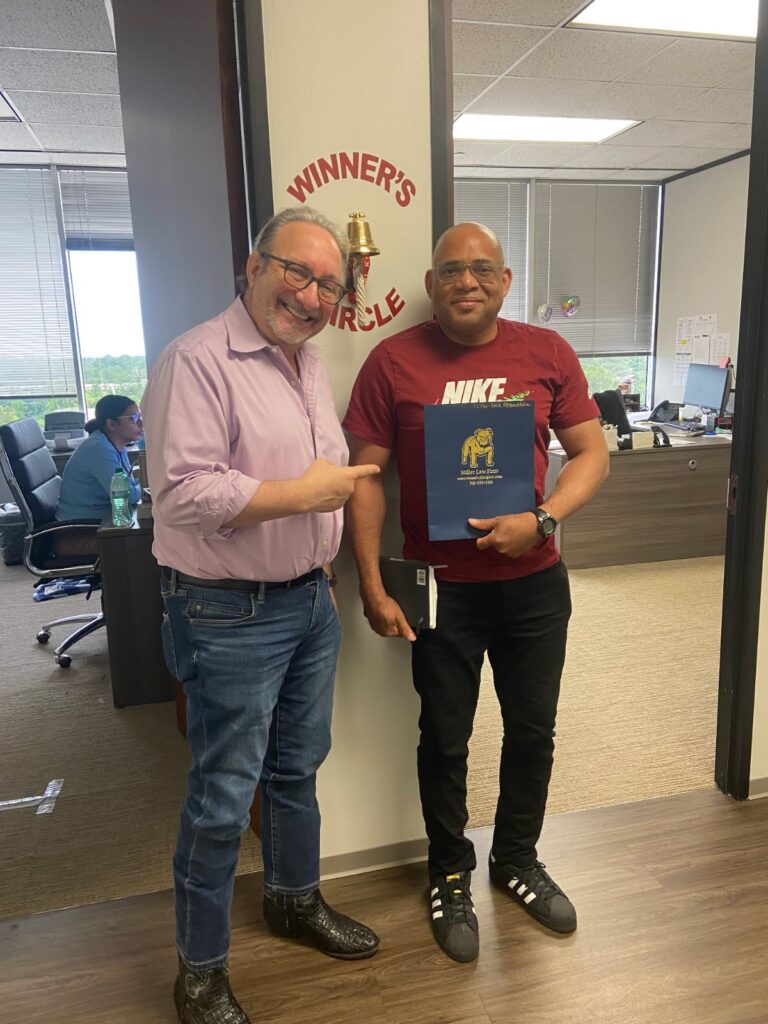
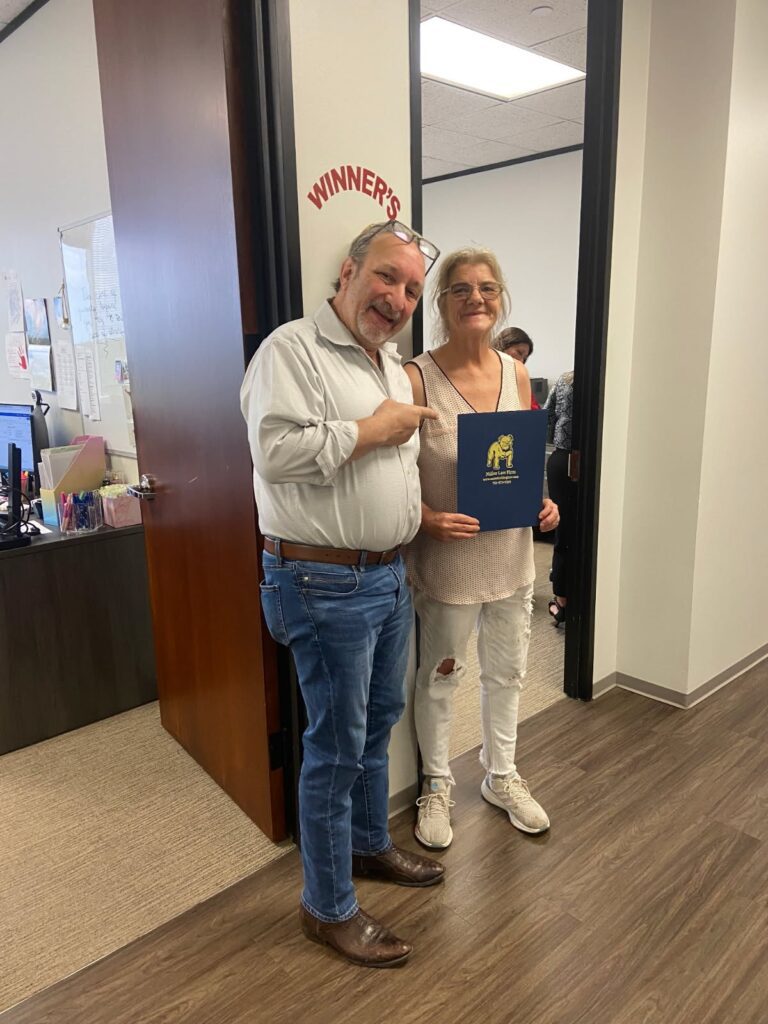
Below, you can see moments that matter to our firm and our clients — including photos of Adam with clients celebrating at our winners circle bell. These are the moments that remind us what this work is really about.


Why Houston Clients Choose Adam Miller
There are plenty of lawyers in Houston. That does not mean they handle injury cases the same way. Adam Miller has built the Texas Bulldog brand around being direct, aggressive, and ready to push back when insurance companies try to get away with less.
Clients also know him from his strong public presence, his recognizable brand, and the fact that he does not try to sound like every other lawyer ad in town. That matters because trust matters. Confidence matters. Experience matters. In serious injury cases, the ability to communicate clearly and fight hard matters too.

Adam Miller and The Miller Law Firm, home of The Texas Bulldog, also stand out because they combine courtroom pressure with real client-facing accessibility. Instead of treating people like files, the firm focuses on helping injured Houstonians understand what is happening, what their claim may be worth, and what steps come next.
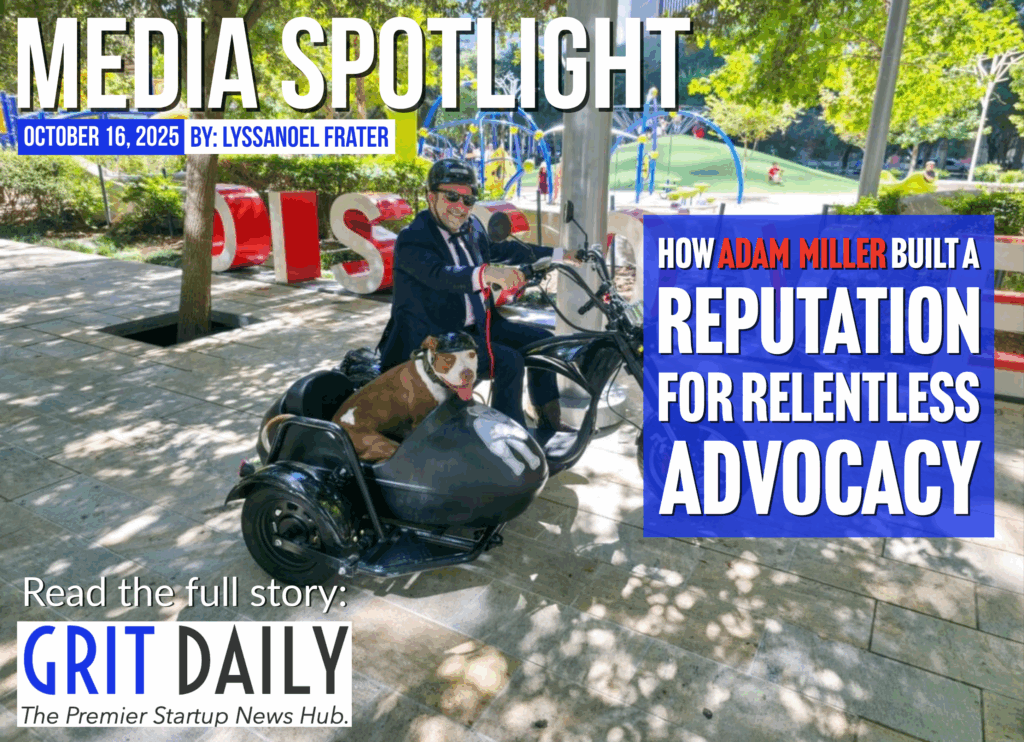
His credibility is also supported by media recognition and community presence. The firm has been featured in publications such as Digital Journal and Daily Grit, and it continues to maintain a visible role in Houston through local involvement and outreach. You can learn more on the firm’s community involvement page.

If you want a lawyer with Houston roots, a strong personal injury focus, trial-ready pressure, and a style that does not back down when insurers get difficult, that is exactly why many people call The Texas Bulldog.
See What It’s Like to Work With Our Firm
Houston Seatbelt Injury Lawyer
Houston drivers know how dangerous local roads can be, especially in high-traffic accident corridors across the city. Serious crashes happen every day on I-45, I-10, Loop 610, Beltway 8, the Westpark Tollway, and busy city corridors throughout Harris County. In that kind of traffic environment, even a driver who does everything right can still end up dealing with violent impact forces and seatbelt injuries after a car accident.
That is why local experience matters. A Houston seatbelt injury lawyer should understand not only how injury claims work, but also how these crashes happen in real local traffic conditions. Whether the wreck happened in the Galleria area, Downtown, Katy, Memorial, Spring Branch, Southwest Houston, or along one of the city’s busiest freeway systems, the legal issues usually come down to fault, medical proof, insurance pressure, and damages.
The Miller Law Firm, home of The Texas Bulldog, represents injured people in Houston and throughout Texas. If you were hurt and the insurance company is trying to minimize your seatbelt injury claim, local representation can help level the playing field.
For more Houston-focused car accident resources, you can also visit:
- Houston Car Accident Lawyer
- 10 Essential Car Accident Claim Tips for Houston Victims
- Four Most Common Car Accidents
- How Long Does It Take to Get Compensation After an Accident?
Frequently Asked Questions About Seatbelt Injuries After a Car Accident
Can a seatbelt really cause a serious injury?
Yes. Seatbelts save lives, but in a hard crash they can also cause bruising, rib fractures, abdominal trauma, spinal injuries, and other serious harm. The fact that a seatbelt helped protect you does not mean the resulting injury is minor.
What is seatbelt syndrome?
Seatbelt syndrome is a term used to describe injury patterns associated with seatbelt use in a collision. It often involves a visible seatbelt mark plus concern for deeper internal injuries underneath that area.
Should I see a doctor if I only have a seatbelt bruise?
Yes. A seatbelt bruise can be a sign of deeper trauma, especially if you also have pain, tenderness, shortness of breath, abdominal pressure, dizziness, or worsening symptoms after the crash.
Can I recover compensation for seatbelt injuries after a car accident?
Yes, if another party caused the crash. Compensation may include medical bills, lost wages, pain and suffering, future care, and other damages tied to the injury.
Why do insurance companies try to minimize seatbelt injuries?
Because these injuries often look smaller on the surface than they feel in real life. Insurance carriers may try to frame the claim as minor bruising when the true medical picture is more serious.
Does hiring a lawyer really make a difference?
It can. A strong lawyer helps document the injury properly, connect the medical proof to the crash, push back against lowball tactics, and create the kind of pressure that often increases settlement value.
Visit Our Houston Office
If you were hurt in a crash and need help with a seatbelt injury claim, our office is here to help.
The Miller Law Firm, home of The Texas Bulldog
4900 Woodway Drive, Suite 900
Houston, Texas 77056

Our office offers convenient ADA parking and is easy to access from anywhere in Houston.
Call 713-572-3333 today to talk with a team that knows how insurance companies handle injury claims and knows how to fight back when they try to pay less.